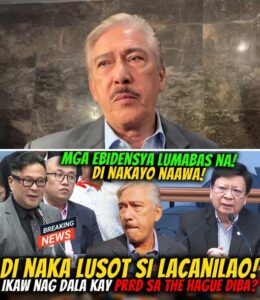
It was supposed to be a standard review of qualifications, but what unfolded inside the Senate halls has left the entire nation in shock and disbelief. Senator Rodante Marcoleta, known for his sharp and uncompromising style, completely dismantled the defense of a newly appointed official, revealing a dark secret that many believe connects directly to the controversial events at The Hague. The atmosphere in the room turned ice-cold as the Senator shifted the topic from mundane traffic management to high-stakes international intrigue, asking the one question that no one expected to hear in public: was this sudden appointment actually a reward for a secret mission involving the former President?
The official in the hot seat, Marcos Lacanilao, appeared visibly rattled as the Senator methodically dissected his resume. Initially questioned about his suitability for leading the Land Transportation Office given his background primarily as a “car racer” rather than a public servant, the conversation took a serious turn. The Senator insinuated that the official’s glaring lack of relevant experience in transport regulation was irrelevant because his position was allegedly a “prize” for a specific service rendered—a service that involved personally escorting the former administration’s leader to the Netherlands. The silence in the room was deafening as the implication hung in the air: that a figure within the current circle had facilitated a move that many supporters view as the ultimate betrayal of the former leader.
As the grilling intensified, the official attempted to deflect the heavy accusations, citing mysterious “documents” from the highest office that allegedly authorized his actions. However, under relentless pressure and unable to produce the paperwork or even describe its contents accurately, he began to crumble. The Senator pounced on this inconsistency, forcing the official to admit a stunning detail: he had “volunteered” for the task when no one else would take it. This admission painted a picture not of official duty, but of an eagerness to please powerful backers, leading observers to speculate wildly about who really ordered the mission and why this specific individual was chosen for such a sensitive task.
The exchange highlighted a deep and dangerous fracture within the political landscape. By directly connecting the official’s presence at The Hague with his current high-ranking post, the Senator effectively accused the current administration of rewarding those who turned against the previous leadership. The term “reward” echoed throughout the session, suggesting that loyalty in this new era is measured by one’s willingness to participate in activities that could jeopardize the legacy and safety of the former President. It raises uncomfortable questions about the true nature of these alliances and whether public offices are being used as currency to pay for political favors that the public was never meant to know about.
Ultimately, the session ended with the official looking defeated and the public left with more questions than answers. The image of a “volunteer” escorting a former leader to the site of an international investigation has ignited a firestorm of speculation across social media. Citizens are now left wondering if this was a solitary act or part of a grander scheme orchestrated by figures shadowing the highest offices in the land. As the details of this intense confrontation continue to spread, it serves as a stark reminder that in the high-stakes game of power, the truth often comes out not in press releases, but in the heat of an unguarded moment on the Senate floor.
News

TAY, BAKIT KA UMIİYAK? JOKE LANG NAMAN ‘YAN! PARA SA CONTENT LANG, HUWAG KANG OA!
Madilim pa ang paligid sa aming baryo sa Batangas, pero gising na gising na ang diwa ko. Ako si Mang…

SHOWBIZ SHOCKER: Entertainment Titan Vic Sotto Unleashes a Stinging Reality Check After Viral ‘Karen Carpenter’ Sound-Alike Reportedly Rejects a Major Contract Offer, Leaving the Industry and Fans Completely Baffled by the Sudden Turn of Events
In the competitive and often unforgiving world of the entertainment industry, receiving an offer from a heavyweight like Vic Sotto…

TEEN QUEEN’S HEARTBREAKING CONFESSION: Jillian Ward Finally Breaks Her Silence and Admits the ‘Sad Truth’ About Her Real Feelings for Boxing Prodigy Emman Bacosa, Leaving Millions of Fans Devastated by the Reality Behind the Romance Rumors
In the high-stakes, high-pressure world of Philippine show business, the public is always on the lookout for the next great…
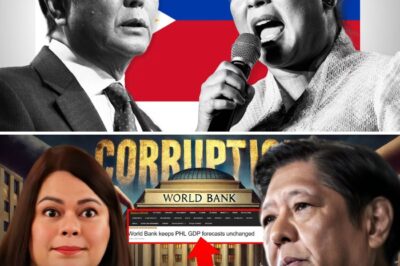
ECONOMIC SHOCKWAVE: World Bank Drops a Massive Bombshell That Shatters the Opposition’s ‘Doomsday’ Narrative as Shocking Data Reveals the Philippines is Defying Expectations and Winning Global Trust!
In a political climate often dominated by doom-scrolling and pessimistic forecasts from critics, a sudden and unexpected revelation from one…
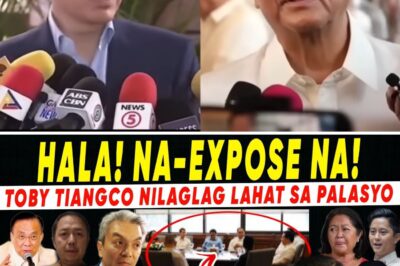
POLITICAL MAYHEM ERUPTS: Explosive Leaked Audio and Video Allegedly Reveal Toby Tiangco’s Shocking Confession Exposing a Massive Conspiracy and Betrayal Inside the Palace—Is This the Final Nail in the Coffin for the Ruling Alliance?
The Philippine political landscape is currently in the throes of a violent convulsion as explosive allegations and leaked digital materials…
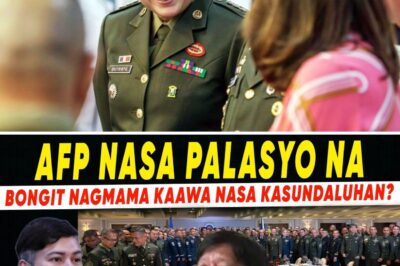
PALACE IN TOTAL PARANOIA: Shocking Reports Allege Military Personnel Entered the President’s Inner Circle Prompting a Desperate Emergency Meeting as Whispers of ‘President Sara’ Taking Over Reach a Fever Pitch
The usually composed and impenetrable façade of Malacañang Palace is reportedly cracking under the weight of intense paranoia and fear,…
End of content
No more pages to load