
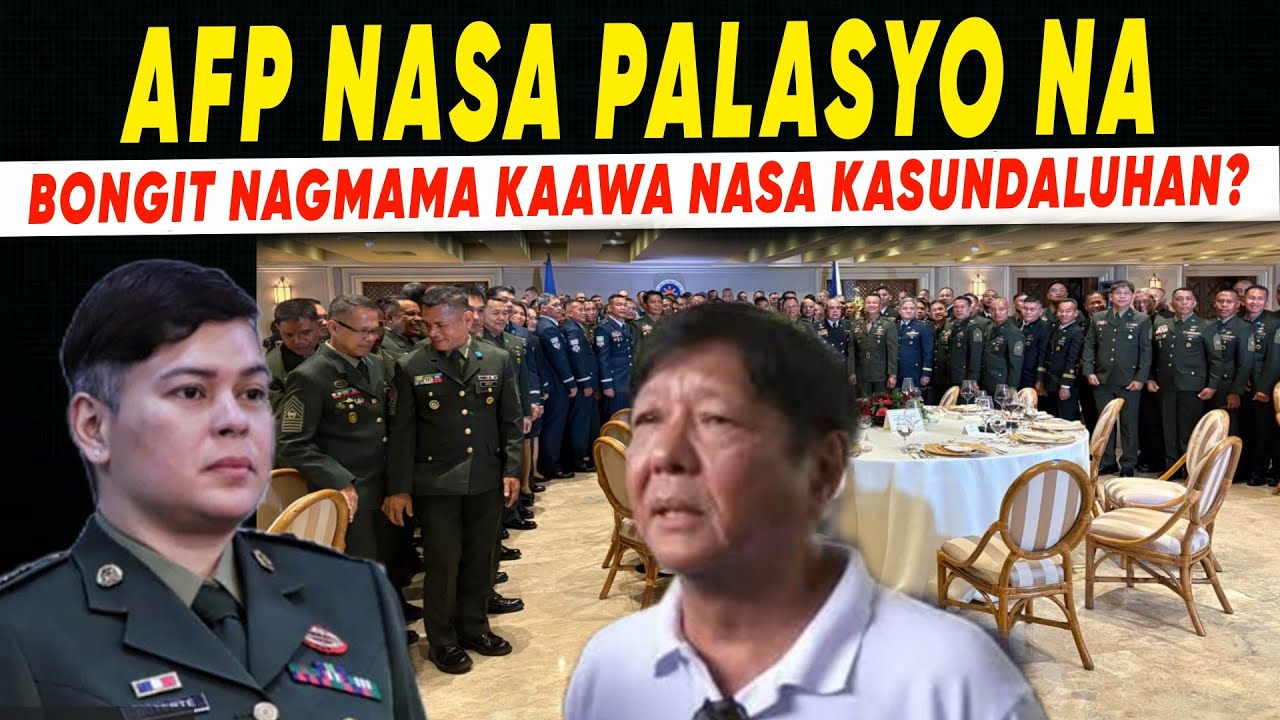
The usually composed and impenetrable façade of Malacañang Palace is reportedly cracking under the weight of intense paranoia and fear, as explosive rumors circulate regarding a dramatic confrontation involving the highest office in the land and the nation’s armed forces. The political grapevine is buzzing with allegations that President Ferdinand “Bongbong” Marcos Jr., referred to by critics as “Bongit,” has found himself in a precarious position following reports that members of the military allegedly “entered” or asserted their presence within the Palace grounds in a manner that was far from ceremonial. This unprecedented development has purportedly triggered a wave of panic among the President’s inner circle, leading to the hastily convened “Emergency Meeting” that has political analysts and the public alike scrambling for answers about the true state of the nation’s leadership.
The atmosphere described by insiders is one of high-stakes tension, where trust has eroded, and every shadow is suspected of being a betrayal. The narrative suggests that the “entry” of the soldiery was not a coup in the traditional sense, but a powerful message sent directly to the Chief Executive—a signal that the support of the uniformed personnel, the bedrock of any administration’s stability, can no longer be taken for granted. This alleged show of force has reportedly caused “praning” or extreme paranoia among the Palace officials, who fear that the political tides are shifting faster than they can build defenses. The emergency meeting was allegedly a desperate attempt to consolidate loyalty and strategize a survival plan against a perceived rising tide of dissent that now includes the very protectors of the state.
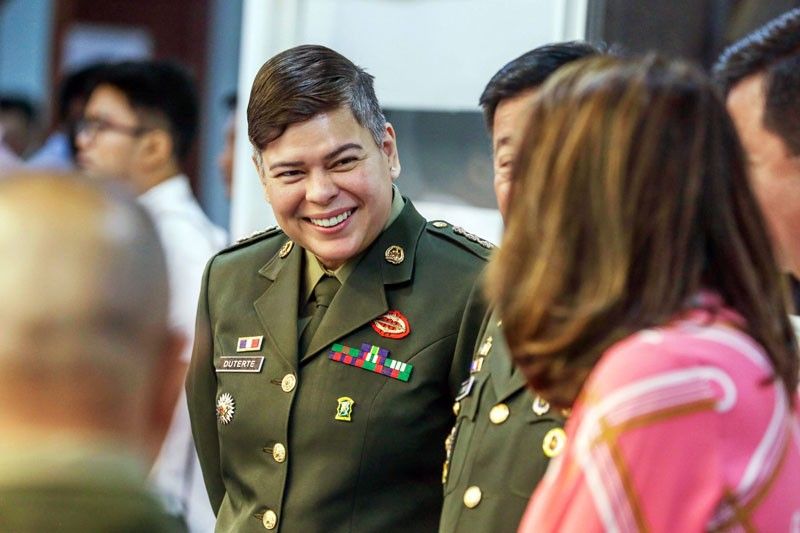
Adding fuel to this blazing fire is the resurgence of the “President Sara” narrative. As the current administration appears to wobble under the pressure of internal conflicts and external threats, the name of Vice President Sara Duterte is being whispered—and in some quarters, shouted—as the inevitable successor. The rumors of military unrest are seen by supporters of the Vice President as a sign that the rank and file are looking for the decisive leadership associated with the Duterte brand. The contrast between the alleged panic in the Palace and the stoic silence of the Vice President’s camp is creating a vacuum that speculation is all too eager to fill. The public is left wondering if the “emergency” is merely a political hiccup or the prelude to a constitutional succession that could happen sooner than the election cycle dictates.
Furthermore, the implications of these rumors extend beyond mere palace intrigue; they touch upon the stability of the entire government. If the President is indeed feeling threatened by his own military to the point of calling crisis meetings, it indicates a profound disconnect between the civilian leadership and the security sector. This vulnerability is the ultimate nightmare for any sitting president. The allegations suggest that the “UniTeam” fracture has bled into the barracks, forcing soldiers to choose sides in a political war they were meant to stay out of. The “panic” is not just about losing power; it is about the realization that the machinery of the state may no longer be responding to the captain’s wheel.
As the nation watches this drama unfold, the question remains: Is the Palace truly under siege by its own fears, or is there a tangible shift in power occurring right before our eyes? The stories of soldiers entering, emergency meetings being called, and the looming shadow of a “President Sara” presidency have created a volatile mix of anticipation and anxiety. The Filipino people, veterans of political upheavals, are acutely aware that when the Palace gets “paranoid,” history is often being written in the dark corners of the corridors of power. The coming days will be critical in determining whether this is just another rumor or the beginning of the end for the current dispensation.
News

TAY, BAKIT KA UMIİYAK? JOKE LANG NAMAN ‘YAN! PARA SA CONTENT LANG, HUWAG KANG OA!
Madilim pa ang paligid sa aming baryo sa Batangas, pero gising na gising na ang diwa ko. Ako si Mang…

SHOWBIZ SHOCKER: Entertainment Titan Vic Sotto Unleashes a Stinging Reality Check After Viral ‘Karen Carpenter’ Sound-Alike Reportedly Rejects a Major Contract Offer, Leaving the Industry and Fans Completely Baffled by the Sudden Turn of Events
In the competitive and often unforgiving world of the entertainment industry, receiving an offer from a heavyweight like Vic Sotto…

TEEN QUEEN’S HEARTBREAKING CONFESSION: Jillian Ward Finally Breaks Her Silence and Admits the ‘Sad Truth’ About Her Real Feelings for Boxing Prodigy Emman Bacosa, Leaving Millions of Fans Devastated by the Reality Behind the Romance Rumors
In the high-stakes, high-pressure world of Philippine show business, the public is always on the lookout for the next great…
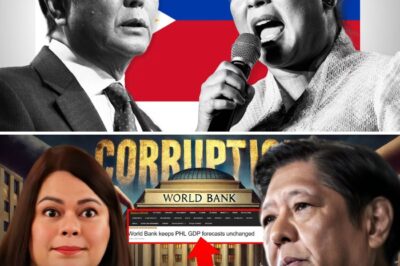
ECONOMIC SHOCKWAVE: World Bank Drops a Massive Bombshell That Shatters the Opposition’s ‘Doomsday’ Narrative as Shocking Data Reveals the Philippines is Defying Expectations and Winning Global Trust!
In a political climate often dominated by doom-scrolling and pessimistic forecasts from critics, a sudden and unexpected revelation from one…

POLITICAL MAYHEM ERUPTS: Explosive Leaked Audio and Video Allegedly Reveal Toby Tiangco’s Shocking Confession Exposing a Massive Conspiracy and Betrayal Inside the Palace—Is This the Final Nail in the Coffin for the Ruling Alliance?
The Philippine political landscape is currently in the throes of a violent convulsion as explosive allegations and leaked digital materials…

POLITICAL BETRAYAL? Shockwaves Grip the Capital as Salvador Panelo Allegedly Breaks Ranks and Unleashes a Scathing Critique Against President Marcos, Signaling the Total Collapse of the Ruling Coalition
The fragile peace that has held the Philippine political ruling coalition together appears to have shattered completely, with one of…
End of content
No more pages to load