
Behind the Silence: How Poverty and Isolation Drove a Mother to a Heartbreaking Tragedy in the Philippines

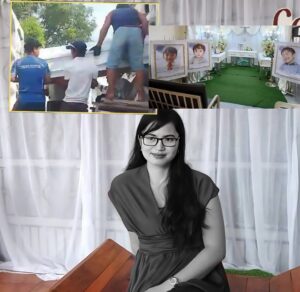
In a quiet neighborhood somewhere in the Philippines, a mother’s deepest struggles remained unseen, unheard, and ultimately, tragically unresolved. The news shocked the nation: a mother took the lives of her three young children, an act that left families and communities devastated and searching for answers. But beyond the immediate horror lies a painful story of desperation, isolation, and the crushing weight of poverty.
The family was known to be living in severe financial hardship. Reports reveal that they struggled daily to access even the most basic necessities—food on the table, a roof over their heads, medical care for the children. For any parent, the instinct to protect and provide is primal. But when the resources are stripped away, when hope seems distant, that instinct can be overwhelmed by feelings of helplessness and despair.
Mental health experts warn us that extreme poverty is more than just a lack of money—it is a heavy burden on the mind and spirit. Constant financial stress can lead to anxiety, depression, and a sense of isolation from the community and support systems that many take for granted. For this mother, it is likely that the combined pressure of poverty and the social isolation she experienced created a mental and emotional storm that no one saw coming.
In communities like hers, access to mental health care is often limited or stigmatized. The cultural shame around mental illness means many suffer in silence, unable or unwilling to seek help. Coupled with little to no government assistance or social programs in place, families in these conditions face invisible battles that too often end in tragedy.
This heartbreaking incident forces us to ask difficult questions: How many more mothers are silently drowning in despair? How many families are left unsupported, struggling to hold themselves together? And perhaps most importantly, what can society do to intervene before tragedy strikes?
The answers lie in systemic change—a commitment to build comprehensive support systems that reach the most vulnerable. This includes:
Accessible Mental Health Services: We need culturally sensitive counseling and psychiatric support, affordable and available in even the most remote areas.
Community Support Networks: Social isolation is a silent killer. Creating community programs that connect families, offer parenting assistance, and provide emotional support can make a vital difference.
Economic Relief and Empowerment: Poverty is a root cause that must be addressed through sustainable job programs, financial assistance, and education initiatives.
Public Awareness and Education: Breaking the stigma surrounding mental health can encourage those suffering to seek help before it’s too late.
This tragedy is a sobering reminder that the greatest dangers are often hidden behind closed doors—behind a mother’s quiet tears and a family’s invisible struggle. It calls on us all to listen more deeply, to support more generously, and to build a society where no parent feels so alone and desperate that they lose hope.
As the nation mourns, let this be a turning point—a call to action to protect the vulnerable and to prevent such heartbreaking losses in the future. Because every life lost in silence is a failure of the system, and every mother deserves a chance to find help before despair takes over.
News

Ate Guy’s Final Wish: Coco Martin Shares Heartfelt Tribute as Fans Call for Statue to Honor Nora Aunor’s Legacy
The Philippine entertainment industry continues to mourn the loss of one of its most beloved icons, Nora Aunor, affectionately known…

SHOCKING TWIST! What REALLY Happened to Lyca Gairanod? The Truth Behind the First Voice Kids Champion Will Leave You SPEECHLESS!
From Glory to Struggles? Lyca Gairanod’s Real-Life Journey After The Voice Kids Victory Revealed Manila, Philippines – She once stood…

OMG! WILLIE REVILLAME BROKE DOWN ON LIVE VIDEO? The SHOCKING TRUTH Behind His Desperate Plea That’s Making the Nation CRY!
In a jaw-dropping turn of events, Willie Revillame, once hailed as one of the richest and most generous icons of…

OMG! THIS IS THE REAL TRUTH behind Louise Delos Reyes’ pregnancy! She CONFIRMED Xian Lim was the father?
In a stunning turn of events, actress Louise Delos Reyes has finally addressed swirling rumors about her pregnancy. With courage…

OMG… She Was Laid to Rest WITHOUT Her 3 Kids! WHY They Weren’t Buried Together Will BREAK YOUR HEART and Change How You See Grief Forever!
Sta. Maria, Bulacan — Isang napakabigat na tanawin ang nasilayan kahapon, Mayo 22, 2025, sa isang simpleng libing na tila…

Tragedy in Bulacan: Three Children Burned by Their Own Mother — Father Tears Up Upon Discovering Mother’s Last Heartbreaking Message.
Sta. Maria, Bulacan – A heart-wrenching tragedy has shaken the nation as a mother allegedly set her own home…
End of content
No more pages to load