STATE OF EMERGENCY? Philippine Army’s Cryptic Message and Senator Imee’s Bombshell Allegations Fuel Speculation of VP Sara Duterte Taking Over the Presidency
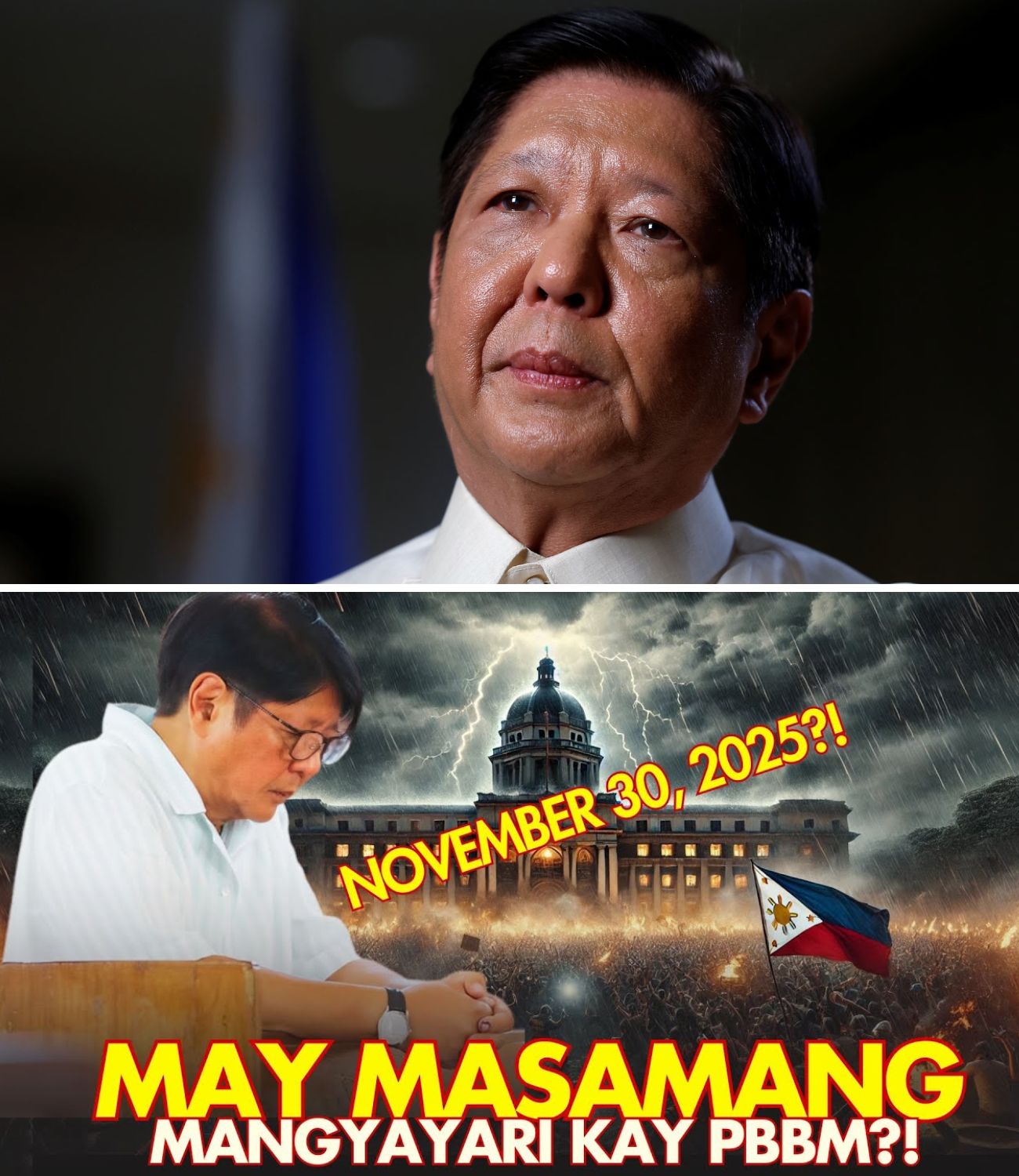
The Philippines is currently navigating through a tempest of political controversy that threatens to reshape the very foundation of its government. In a series of events that have left the public and political analysts stunned, allegations of drug addiction, massive corruption, and constitutional crises have merged to create a volatile atmosphere in Manila. At the center of this storm is President Ferdinand “Bongbong” Marcos Jr., whose capacity to lead is being openly questioned not just by his critics, but by his own flesh and blood, Senator Imee Marcos. This familial rift has opened the door for intense speculation regarding the role of the Armed Forces of the Philippines (AFP) and the potential ascension of Vice President Sara Duterte to the highest office in the land.
The catalyst for this latest upheaval was a statement attributed to Senator Imee Marcos, described in reports as a “bombshell revelation.” The Senator allegedly claimed that her brother, the President, is unfit to govern due to substance abuse issues. This accusation, coming from a sitting senator and immediate family member, has escalated the situation from mere political gossip to a potential constitutional crisis. Critics argue that if the President is indeed incapacitated or impaired, it poses a direct threat to national security and the economy, necessitating an immediate and transparent response from the government’s institutions.
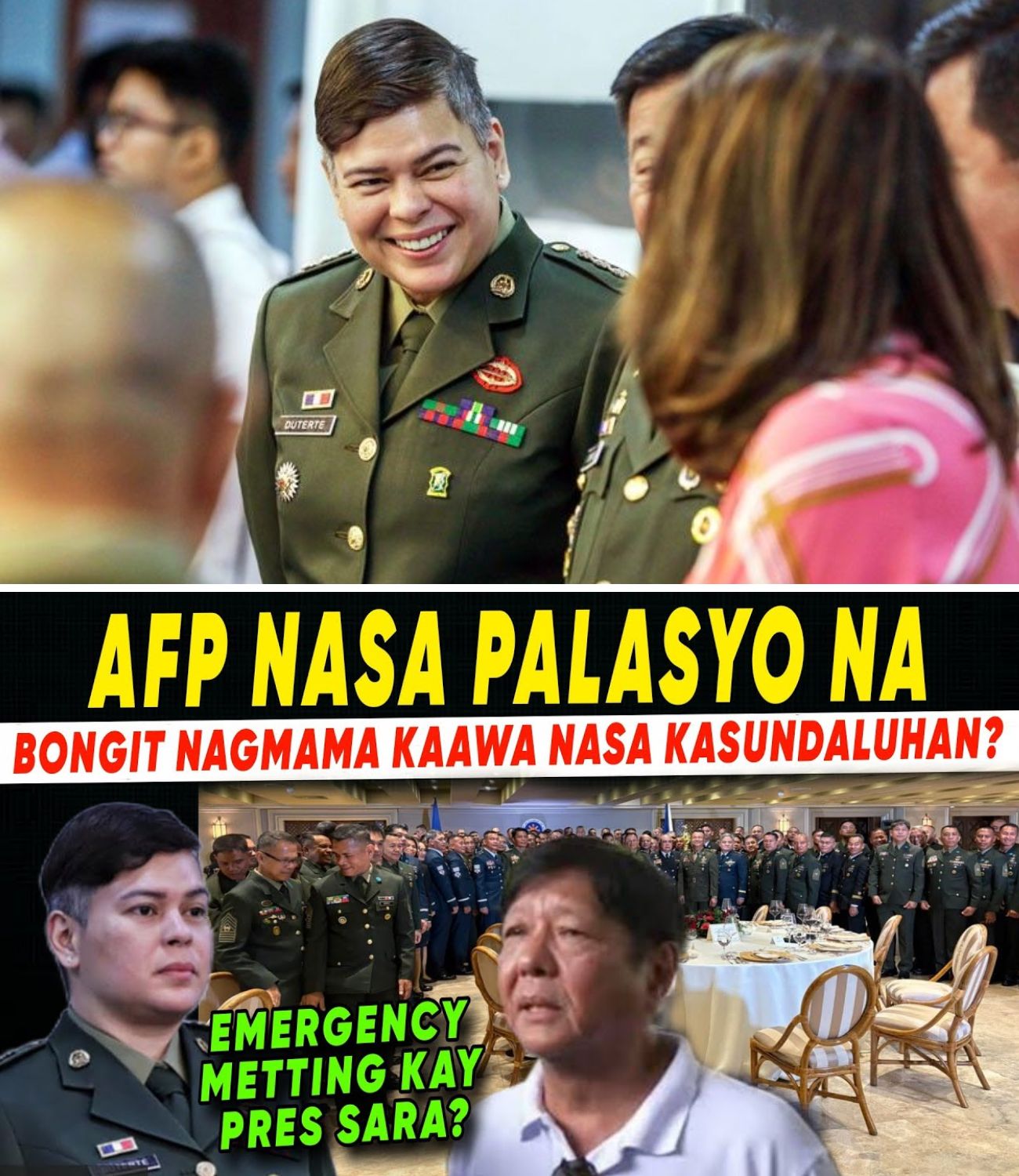
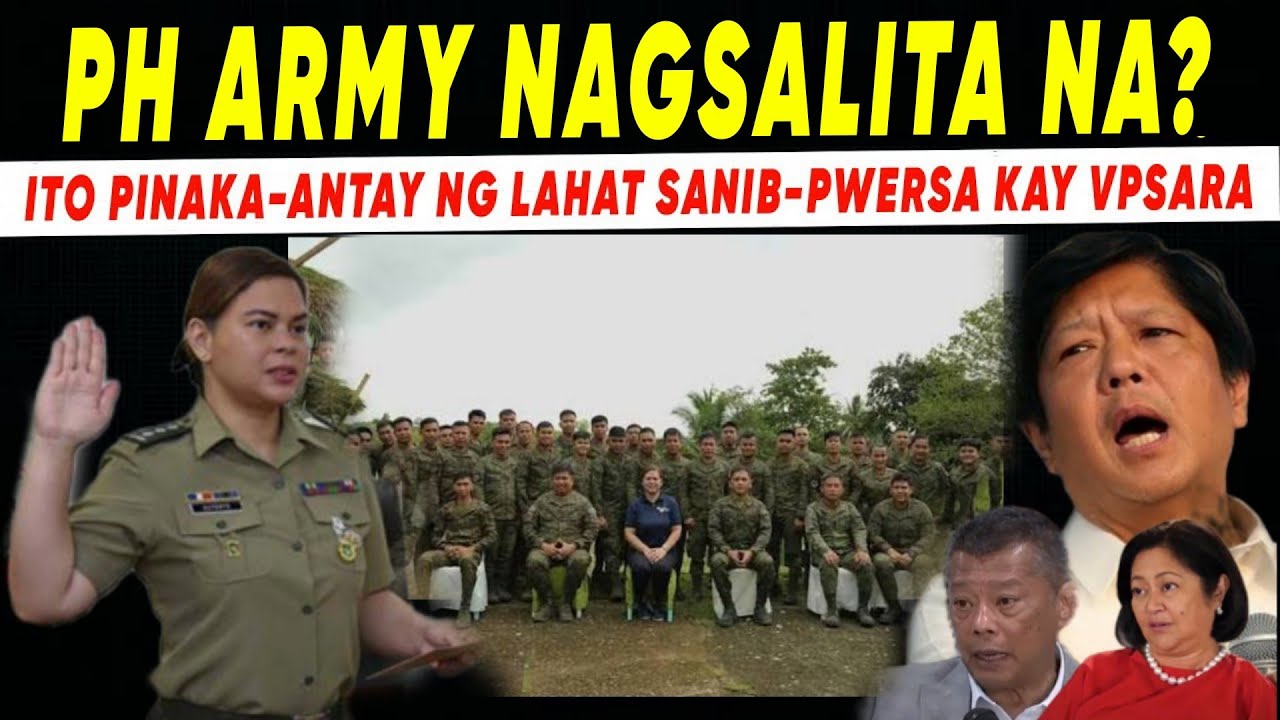
Adding fuel to the fire is a recent post on the Philippine Army’s official social media page. The message, which emphasized soldiers’ duty to “honor our oath,” serve with “professionalism and integrity,” and “remain loyal to the constitution,” has been interpreted by many as a subtle but significant signal. In the context of the swirling rumors about the President’s fitness, this pledge of loyalty to the Constitution—rather than to a specific individual—is being viewed as the military asserting its stance as the protector of the people and the rule of law. For supporters of the opposition and the Vice President, this is seen as a “green light” for a constitutional succession.
Under Article 7, Sections 8 and 11 of the 1987 Philippine Constitution, clear mechanisms are in place for the Vice President to assume the presidency in cases of the President’s death, permanent disability, removal from office, or resignation. The current discourse centers on Section 11, which deals with the President’s inability to discharge his duties. The argument being posited is that if the allegations of drug addiction and mental instability are true, the Cabinet or Congress has a duty to act. This legal framework is now the battleground for those calling for VP Sara Duterte to “take over” and restore stability to a rattled nation.
Simultaneously, the administration is fighting a war on another front: corruption allegations involving the controversial flood control projects and the national budget. President Marcos Jr. recently held a press conference where he admitted to the erosion of public trust, acknowledging the people’s skepticism amidst the scandals. While the government trumpeted the return of 110 million pesos from a former DPWH official as a victory for justice, critics have dismissed it as mere “optics,” arguing that it pales in comparison to the billions allegedly lost to corruption. The President’s challenge to fugitives like former Congressman Zaldy Co to return and face charges has done little to quell the public’s anger, with many demanding accountability from the “masterminds” rather than just the foot soldiers.
The convergence of these issues—the questioning of the President’s mental fitness, the assertive stance of the military, and the massive corruption scandals—has created a perfect storm. The narrative is shifting from political maneuvering to a struggle for the soul of the republic. As calls for a “public hair follicle drug test” for the President grow louder and the military emphasizes its constitutional loyalty, the prospect of a leadership change is no longer just a whisper in the corridors of power but a headline screaming across the nation. Whether this leads to a smooth transition, a prolonged legal battle, or further instability remains to be seen, but one thing is certain: the eyes of the nation are fixed on the Palace, waiting for the next domino to fall.