
Episode 98 of Bigg Boss 19 began with an undercurrent of tension that had been building for days. The house, usually buzzing with chatter, strategic discussions, and minor disagreements, felt unusually charged. The cause was the simmering friction between Ashnoor Kaur and Tanya, two contestants whose contrasting personalities and competitive approaches had increasingly brought them into conflict. What had started as subtle disagreements escalated slowly, each word and action layered with meaning, until it reached a breaking point that would shock both housemates and viewers alike.
The confrontation began innocuously during a routine task. Voices were raised, accusations exchanged, and frustrations aired, all under the constant scrutiny of the Bigg Boss cameras. Housemates attempted to intervene, trying to mediate or calm the situation, but the emotional intensity between Ashnoor and Tanya had reached a threshold that was nearly impossible to contain. The argument’s rhythm was like a storm building—first, the low rumble of tension, then flashes of anger and defiance, until finally it erupted in an act of physical aggression that stunned everyone present.
Ashnoor Kaur’s strike landed with a suddenness that seemed almost surreal. Tanya recoiled, her expression a mixture of shock, hurt, and disbelief. The room fell silent, save for the echoes of the confrontation and the stunned gasps of housemates who had been unable to prevent the incident. Cameras captured every detail: the wide-eyed shock of Tanya, the tense posture of Ashnoor, and the varied reactions of the other contestants, some rushing to intervene, others frozen in disbelief. It was a moment that would immediately dominate discussions both inside and outside the house.
The psychological weight of the incident was palpable. Tanya, normally composed and expressive, appeared vulnerable in a way that underscored the human cost of physical aggression in the high-pressure environment of Bigg Boss. For Ashnoor, the act was a culmination of bottled-up frustration, perceived slights, and emotional strain that had accumulated over weeks. While no justification can excuse violence, the event highlighted the extreme pressures contestants face when living under constant observation, with personal conflicts magnified by competition and limited space.
Housemates scrambled to restore order. Some placed themselves physically between the two, attempting to separate and calm them, while others tried verbal interventions. The room was filled with a mixture of urgent instructions, concerned inquiries, and shocked commentary. Alliances were tested as housemates decided whether to support Tanya, understand Ashnoor’s perspective, or maintain neutrality. The confrontation had instantly become a fulcrum, altering the social dynamics and forcing each contestant to reconsider relationships, loyalties, and strategic positioning.
The fallout from the confrontation was immediate and multifaceted. Tanya retreated to a quieter corner, visibly shaken, as friends and allies rallied to comfort her. Ashnoor, meanwhile, faced the weight of her action, aware that the cameras and the audience were witnessing her behavior in real time. The intensity of the house atmosphere—already heightened by prior conflicts—magnified the consequences of her action. Every glance, whispered remark, and subtle reaction of other contestants now carried added significance, shaping perceptions and influencing subsequent interactions.
Outside the house, the reaction was equally intense. Social media erupted with outrage, admiration, judgment, and debate. Fans discussed the fairness of the situation, whether Ashnoor’s strike warranted eviction, warnings, or other disciplinary measures. Hashtags relating to the confrontation trended within hours, and viewer commentary varied from condemnation of the act to discussion of the psychological pressures inherent in the Bigg Boss environment. The incident had transcended the house, becoming a focal point for public discourse on accountability, emotional regulation, and the ethical responsibilities of contestants under constant surveillance.
Producers and Bigg Boss moderators acted swiftly to address the situation within the episode. Housemates were reminded of the rules and the consequences of physical aggression. The moderators’ intervention added another layer of tension, emphasizing that while emotions can run high, the boundaries of conduct must be respected. For contestants, the reminder was stark: the game is about strategy, endurance, and resilience, but personal boundaries and safety remain non-negotiable.
Amid the immediate aftermath, subtle strategic shifts began to appear. Housemates recalibrated alliances and approached conversations with added caution. Some saw the incident as an opportunity to assert influence or position themselves favorably with Tanya, while others remained wary of Ashnoor’s unpredictability. Every interaction became charged with a new significance, reflecting both the emotional and strategic ramifications of a single, explosive act.
The morning after the confrontation, the Bigg Boss 19 house was tense, heavy with unspoken emotions. Housemates moved cautiously, aware that the events of the previous evening had shifted the social landscape. Tanya, still visibly shaken, kept her distance while friends and allies offered quiet support, seeking to restore a sense of calm. The emotional gravity of Ashnoor’s action lingered like a shadow, influencing every glance, gesture, and conversation.
Ashnoor herself was under intense scrutiny. The cameras captured every subtle expression—her defensive posture, moments of regret, and the occasional tension in her voice. She faced a difficult balancing act: maintaining her competitive presence while navigating the fallout of a moment that had sparked widespread outrage among both housemates and viewers. The high-pressure environment amplified every choice, every word, and every interaction, reminding her—and everyone in the house—that actions in Bigg Boss are never without consequence.
Housemates began discussing the incident privately, evaluating loyalties and reassessing alliances. Some rallied firmly behind Tanya, emphasizing fairness, empathy, and the need for accountability. Others cautiously analyzed Ashnoor’s behavior, questioning whether it was a one-time lapse or indicative of a deeper pattern of volatility. Each conversation, though framed as casual discussion, was layered with strategic calculation—how to respond could influence social standing, trust, and even public perception.
The atmosphere remained charged even during routine activities. Cooking, cleaning, and task preparation were all influenced by the lingering tension. A minor disagreement or a sarcastic remark carried added weight, as housemates’ sensitivity to emotional undercurrents had heightened. Even those previously neutral or uninvolved were drawn into the fallout, their interactions now colored by the confrontation and its implications. The house had become a complex web of strategy, empathy, and tension, each element intricately tied to the events of the previous night.
Meanwhile, the public reaction continued to escalate. Social media discussions intensified, with fans dissecting every angle. Some condemned Ashnoor’s aggression, citing fairness, house rules, and contestant safety. Others sought to contextualize her actions, analyzing the mounting psychological pressures, interpersonal conflicts, and isolation that often accompany life in the Bigg Boss house. The incident became a lens through which viewers examined the broader dynamics of the show—the blurred lines between entertainment, strategy, and real human emotion.
The psychological impact on Tanya was profound. She experienced moments of vulnerability and uncertainty, her trust in the social environment temporarily shaken. Housemates who empathized with her provided emotional support, while others approached cautiously, wary of further confrontation or misinterpretation. The incident forced Tanya—and the rest of the house—to navigate a complex interplay of personal feelings and strategic considerations. In Bigg Boss, emotional reactions can be both a vulnerability and a tool; managing them effectively is as crucial as any calculated move.
Ashnoor, aware of the potential ramifications, began to adjust her approach. She attempted to reconcile with certain housemates while simultaneously asserting her position in the competitive hierarchy. Her behavior became a delicate dance—balancing contrition with confidence, emotional expression with strategic calculation. Every interaction was scrutinized, both by fellow contestants and viewers at home, highlighting the intricate psychological and social dynamics of the house.
By mid-day, subtle shifts in alliances and power dynamics became apparent. Housemates who had previously maintained neutrality now expressed opinions, aligning either with Tanya or, cautiously, with Ashnoor. Private discussions revealed a mixture of strategic maneuvering and genuine concern, illustrating how a single, high-intensity incident can ripple through the social ecosystem of the Bigg Boss house. Every conversation and decision was layered with dual purpose: emotional engagement and strategic positioning.
Even during scheduled tasks, the echoes of the confrontation were evident. Housemates approached challenges with heightened awareness, mindful of their interactions, gestures, and alliances. Collaboration and tension coexisted, creating a delicate balance that required both emotional intelligence and tactical thinking. The incident had reinforced a critical reality: in Bigg Boss, personal conflicts are inseparable from competitive dynamics, and each action—no matter how small—can carry significant consequences.
As evening approached, the house settled into a tentative equilibrium. Tanya had regained a degree of composure, supported by her allies and reassured by the moderators’ guidance. Ashnoor’s presence remained a point of tension, her movements and words carefully monitored by others. The interplay of caution, empathy, and strategic calculation defined the mood, emphasizing how a single confrontation could dominate social interactions, influence perceptions, and reshape the house hierarchy.
As night fell on the Bigg Boss 19 house, the atmosphere was tense and electric, thick with the residue of the afternoon confrontation. Housemates moved cautiously, acutely aware that the earlier incident had shifted both social dynamics and individual strategies. The strike had not only caused immediate shock and outrage but had also set in motion a ripple effect that would influence interactions, alliances, and perceptions for days to come.
Moderators intervened to address the severity of the incident. Housemates were gathered, and Ashnoor was reminded of the rules, the boundaries of acceptable behavior, and the potential consequences of physical aggression. Her tone was serious, her reminders precise, emphasizing that while the Bigg Boss house is a place of strategy and emotional expression, actions that endanger others or break the rules cannot be tolerated. The housemates listened attentively, their expressions a mix of relief, tension, and contemplation. The intervention itself added an additional layer of gravity to the episode, reinforcing both personal accountability and the ever-present scrutiny under which contestants operate.
Tanya, though still emotionally affected, responded with remarkable composure. Supported by her allies, she processed the event with a mixture of vulnerability and strength, a demonstration of resilience in the high-pressure environment. Her demeanor earned admiration from some housemates while subtly influencing the social narrative. In Bigg Boss, emotional poise can be a form of power, and Tanya’s response positioned her as both a sympathetic and strategically aware contestant.
Ashnoor, meanwhile, navigated the delicate task of reconciling with the house while preserving her own competitive standing. She engaged selectively with housemates, offering apologies where appropriate, while carefully asserting her perspective on the incident. Every word and gesture was scrutinized, not only by her peers but by viewers at home. The dual pressures of internal house dynamics and external audience perception created a complex psychological environment in which every action had amplified consequences.
The incident sparked subtle yet significant shifts in alliances. Housemates who had remained neutral now had to take sides or risk being perceived as indifferent. Conversations became more deliberate, with each participant weighing the potential ramifications of alignment or opposition. Even previously minor interactions carried heightened significance, demonstrating how a single high-intensity event can recalibrate the social equilibrium in a confined, competitive environment.
Tasks scheduled for the evening were approached with increased caution. Contestants were aware that their behavior was under both internal and external scrutiny, and the need for strategic mindfulness was heightened. Collaborative efforts were tempered by underlying tension, as housemates balanced cooperation with vigilance, and as emotional undercurrents from the confrontation continued to shape behavior. The strike had introduced an enduring dynamic, reminding everyone that personal conflicts have the power to dominate gameplay and influence public perception.
Audience engagement reached a fever pitch. Social media platforms were alive with debate, condemnation, and discussion about the broader implications of the incident. Fans dissected every camera angle, every expression, and every subsequent conversation. Some demanded strict consequences for Ashnoor, while others analyzed the psychological stressors inherent to the Bigg Boss environment, considering the pressures that might precipitate such actions. Episode 98 became a flashpoint for conversations about emotional regulation, fairness, and accountability, extending the drama of the house to viewers worldwide.
Housemates’ private reflections and late-night conversations highlighted the complexity of navigating relationships after such an incident. Trust had been tested, and subtle recalibrations were underway. Some alliances grew stronger, rooted in shared empathy or alignment with Tanya, while others became strained, influenced by Ashnoor’s unpredictability. Every interaction now carried a dual purpose: maintaining house cohesion and strategically positioning oneself for the days ahead. The incident demonstrated that in Bigg Boss 19, emotional intelligence and social perception are as critical as competitive skill.
By the end of the episode, the Bigg Boss house had entered a new phase. The strike had permanently altered dynamics, introducing both caution and vigilance into interactions. Housemates were more mindful of words, gestures, and alliances, acutely aware that emotional outbursts can have immediate and lasting repercussions. The incident had reinforced the dual reality of the show: the house is both a social laboratory and a competitive arena, where behavior, perception, and strategy intersect in complex, high-stakes ways.
For viewers, Episode 98 was a watershed moment. It offered a window into the psychological intensity of the house, highlighting how emotions can escalate under constant scrutiny and limited personal space. Ashnoor Kaur’s action, while widely condemned, became a focal point for examining not only individual behavior but also the pressures, relationships, and social dynamics that define life in Bigg Boss. Tanya’s resilience, the housemates’ responses, and the moderators’ intervention combined to create an emotionally charged episode that would be remembered for its intensity and impact.
Episode 98 ended with the house settling into cautious reflection. While the immediate tension would gradually ease, the repercussions of the confrontation would continue to shape alliances, strategies, and audience perception. Ashnoor’s unpredictable behavior now carried heightened significance, Tanya’s strengthened social standing was evident, and all housemates had been reminded of the delicate balance between emotion, conduct, and survival in the Bigg Boss environment.
The episode’s lasting impression was clear: Bigg Boss 19 is a stage where emotions can explode, alliances can shift, and individual actions carry amplified consequences. Ashnoor Kaur striking Tanya was not merely an isolated incident; it became a catalyst for drama, strategic recalibration, and public discourse. It reminded viewers and housemates alike that in this high-pressure environment, every moment is consequential, and every choice shapes both personal trajectory and collective dynamics.
News

Bigg Boss 19 Shocker: Tanya Throws Ink at Farrhana
The Bigg Boss 19 house had been simmering with tension all morning. The contestants moved around cautiously, aware that the…

Bigg Boss 19 Weekend Ka Vaar Promo: Shocking Eviction Revealed
The Bigg Boss 19 house had never felt so tense. The morning sunlight filtered through the windows, casting long shadows…

Shock in Dharmendra’s Family as Last Will Revealed
The room was heavy with anticipation. A single, unassuming envelope sat on the polished wooden table in Dharmendra’s family home,…

Bigg Boss 19 Shocker: Farrhana Throws a Mug at Tanya
The Bigg Boss 19 house had always been a pressure cooker of emotions, but today, the atmosphere was thick with…
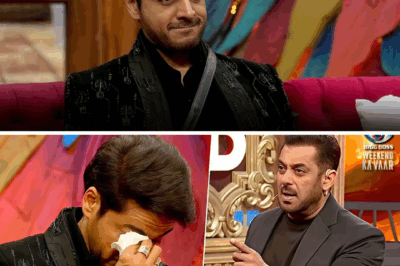
Bigg Boss 19 Shock: Salman Khan Offers Gaurav a Role in His Next Movie
The Bigg Boss house was already buzzing with anticipation as the weekend episode approached. Contestants were aware that Salman Khan’s…

Amitabh Bachchan Breaks Down Over Dharmendra Ji’s Death: Emotional Tweet Sparks Sensation
The news of Dharmendra Ji’s passing had sent shockwaves through Bollywood and the nation. Among the many mourning the legendary…
End of content
No more pages to load