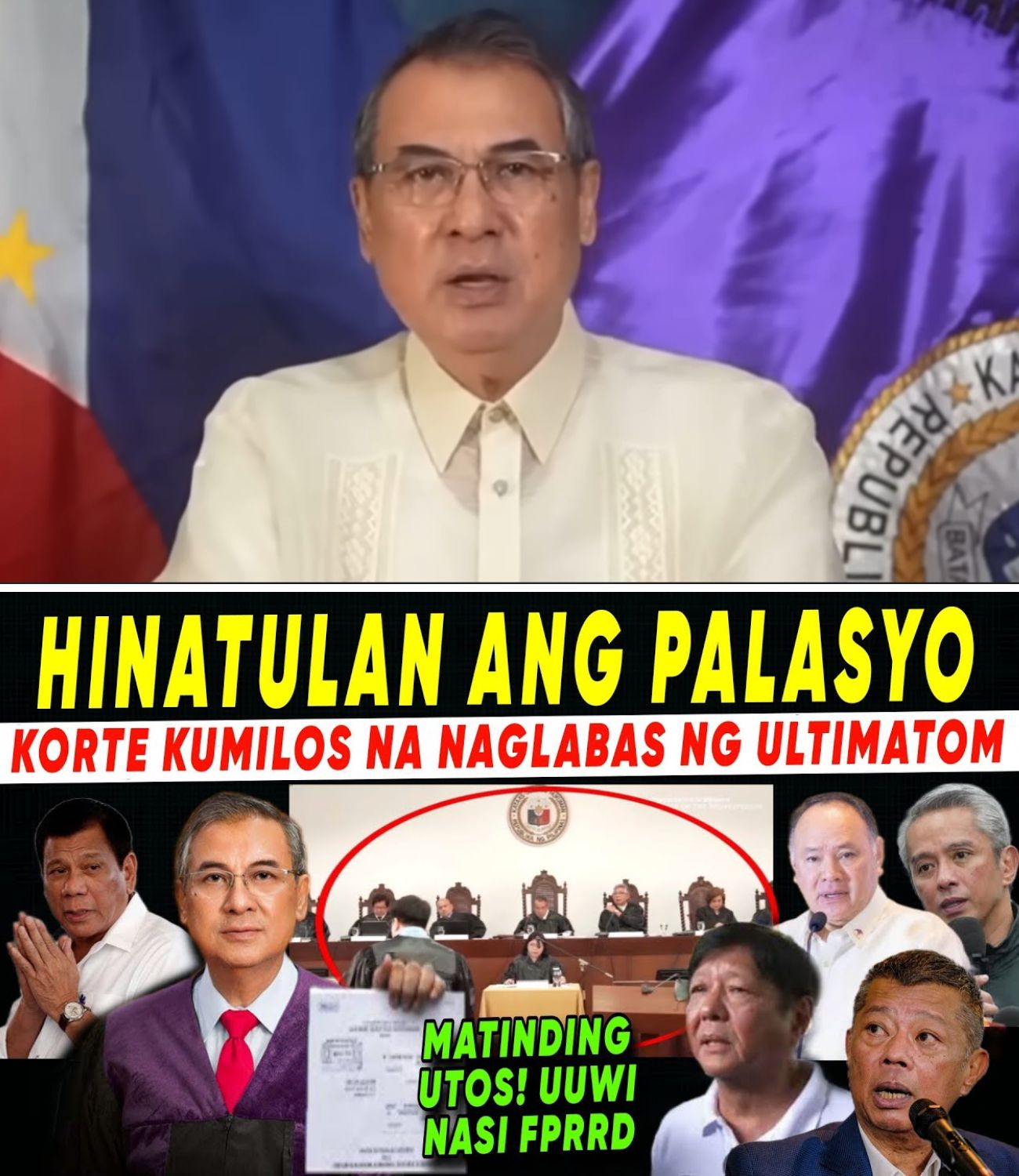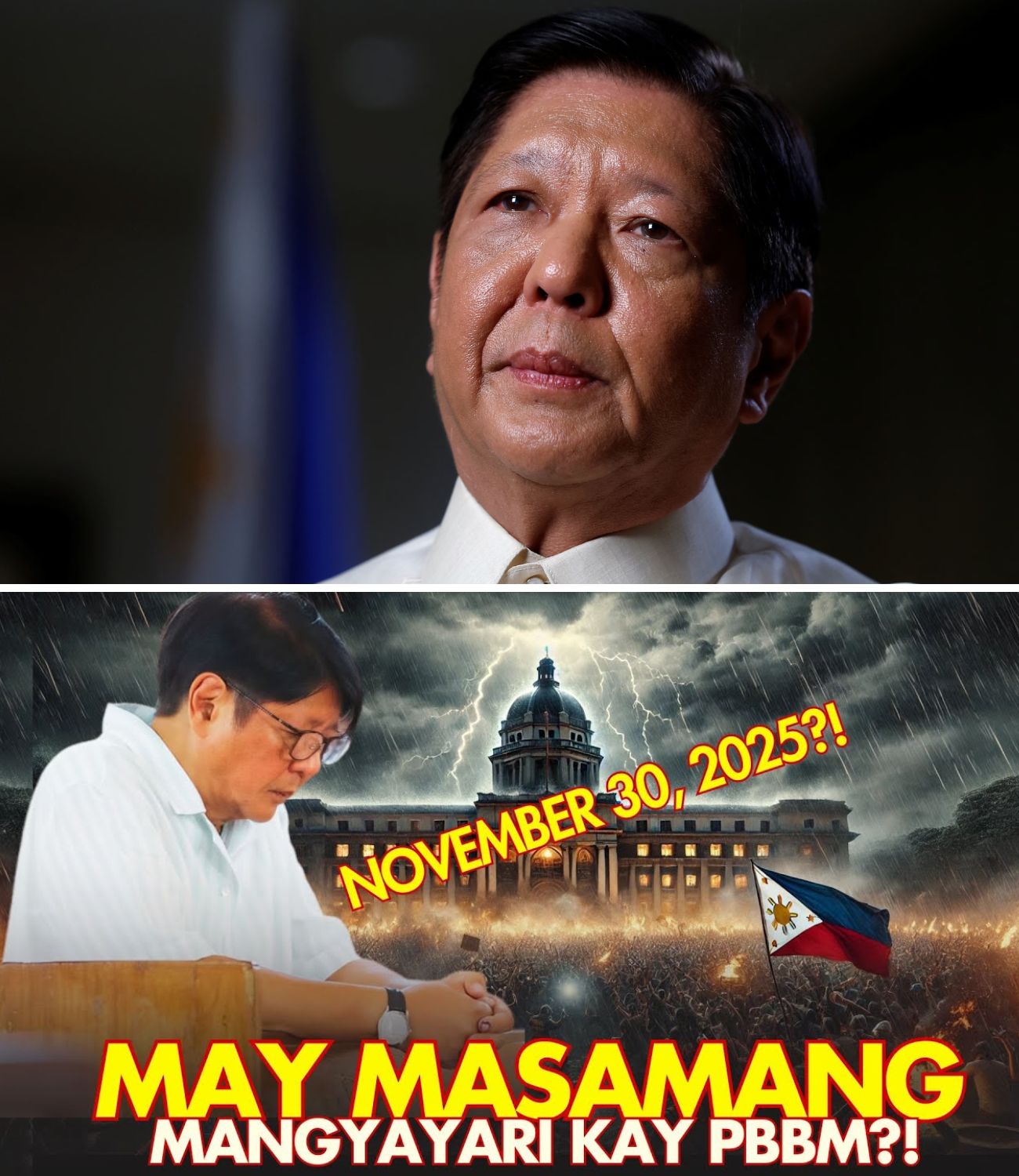
NATIONAL EMERGENCY OF THE SOUL: The Shocking Truth Behind the Sudden and Desperate Call for Prayers for the President as Rumors of a Deep Crisis and Hidden Struggles Threaten to Shake the Very Foundations of the Philippines
In a sudden turn of events that has sent ripples of anxiety throughout the archipelago, a widespread and urgent call for the Filipino people to fall to their knees and pray for the President has emerged, sparking intense speculation and a sense of foreboding about the true state of the nation’s leadership. The atmosphere in the political and social spheres has shifted from the usual noise of debate to a hush of concern, as whispers circulate that President Ferdinand “Bongbong” Marcos Jr. is facing a challenge so immense that it transcends mere policy or governance, delving into the realm of spiritual and perhaps even physical survival. This is not the typical call for unity that is heard during holidays or elections; this plea carries a weight of desperation, suggesting that there are battles being fought behind the heavy curtains of Malacañang Palace that the public is largely shielded from, battles that could determine the trajectory of the country’s future in the coming months.
The genesis of this alarm seems to stem from a combination of observation and unverified reports regarding the President’s demeanor and the immense pressure he is currently under. Observers have noted that the burden of leadership in a country riddled with economic challenges, external threats, and internal political rifts is enough to crush anyone, but recent narratives suggest something more specific and troubling. There are murmurs of a “heavy atmosphere” surrounding the Chief Executive, leading spiritual leaders and supporters to believe that he is under attack not just by political opposition, but by forces that seek to destabilize his well-being. The rhetoric being used—words like “protection,” “strength,” and “deliverance”—hints at a perceived danger that is imminent and severe, prompting a mobilization of faith that is rarely seen outside of natural disasters or national tragedies.
Furthermore, the context of this prayer brigade cannot be separated from the volatile political landscape that currently grips the Philippines. With alliances fracturing and former friends turning into bitter rivals, the President is reportedly navigating a minefield of betrayal where the smiles of those around him may hide the intentions of adversaries. This environment of treachery adds a layer of stress that is unimaginable to the average citizen. The call for prayer is, in many ways, a response to the fear that the President is being isolated or cornered by factions that wish to see his administration fail or, worse, wish for his removal from the picture entirely. It is a protective measure by his base, a spiritual shield raised against what they perceive as a coordinated effort to weaken the leadership and plunge the nation into chaos.
As the message spreads across social media platforms, it has ignited a firestorm of reactions, ranging from devout solidarity to fearful curiosity. People are asking valid questions about the President’s health and stamina, wondering if the physical toll of the presidency is catching up to him faster than anticipated. In Philippine history, the health of the leader has always been a sensitive and often concealed topic, which makes any request for prayers regarding well-being a trigger for mass speculation. The silence from official channels regarding any specific ailment or crisis only serves to amplify the noise, allowing theories to propagate that the President might be facing a personal trial that could incapacitate his ability to govern effectively, thereby creating a power vacuum that opportunists are waiting to exploit.
Ultimately, this phenomenon highlights the deep cultural reliance of Filipinos on faith during times of uncertainty. Whether the threat to the President is physical, political, or spiritual, the reaction of the masses to seek divine intervention underscores a collective anxiety about the stability of the nation. The plea is clear: the Philippines cannot afford a destabilized presidency, and regardless of political affiliation, the collapse of the leader would spell trouble for everyone. As the nation watches and waits, the prayers continue to rise, painting a picture of a country holding its breath, hoping that the man at the helm can weather the storm that many believe is raging silently but violently within the halls of power.