Ahana Deol: Inside the Life of Bollywood’s Glamorous Heiress and Dharmendra’s 450 Crore Legacy
The morning sunlight filtered softly through the tall windows of Ahana Deol’s sprawling Mumbai residence, casting golden streaks across the marble floors. Each beam seemed to trace the outlines of a life lived in the glare of public curiosity yet carefully shielded behind closed doors. At 32 years old, Ahana moved with effortless grace, the product of Bollywood royalty yet carrying the quiet weight of legacy that often goes unspoken. She paused near a framed photograph of her father, Dharmendra, standing proudly beside her mother, Hema Malini. The image was decades old, but it carried the gravity of memory, of choices, and of the fortune that would one day define her life.
The 450 crore inheritance that was whispered about in gossip columns was more than a number; it was a symbol of responsibility, expectation, and intrigue. The media had speculated endlessly about her role in the family empire, about the delicate balance she maintained between privacy and visibility. But inside her palatial home, amidst the rare quiet moments, Ahana’s reality was far more nuanced. Each room, each piece of art, each collection of rare books told a story not just of wealth, but of lineage, of influence, and of the silent pressures of being born into a dynasty.
Fans had tried for years to peek behind the veil, but Ahana’s life was largely private. Invitations to social events were carefully curated, her appearances in public meticulously planned. Yet, despite the distance, curiosity about her only intensified. Paparazzi photographs of her leaving yoga studios, glimpses of her at charitable events, or photoshoots in exotic locales became viral moments, dissected and analyzed across social media platforms. Every fan comment, every speculation added to the aura of mystery she cultivated almost unconsciously.
At breakfast, she sipped green tea, her gaze lingering on a handwritten note from her mother. Hema Malini had always been a figure of strength, elegance, and quiet authority, and Ahana had absorbed more than just the glamour of it. She had learned the importance of poise, of measuring every word, of understanding that attention, both wanted and unwanted, was a force that could shape perception and reality alike. The lessons went deeper than appearances—they were about managing legacy, honoring family, and navigating a world where personal choices were magnified, often unfairly, through the lens of public scrutiny.
Ahana’s days were a mixture of family obligations, philanthropic initiatives, and the occasional discreet professional engagement. She often hosted gatherings that combined discretion with warmth—intimate celebrations where cousins and distant relatives mingled, where conversations about legacy and life were held far from prying eyes. These moments were fleeting but essential. They were reminders that beneath the curated public image lay a human being, grappling with expectations, connections, and the inherited weight of a cinematic dynasty.
Yet, the 450 crore fortune was not just about luxury cars, designer wardrobes, or properties spread across cities. It represented decades of careful management, investments made under her father’s guidance, and assets that were as much cultural as they were financial. Real estate holdings, shares in production companies, and intellectual property rights to some of Bollywood’s most iconic films were all part of the inheritance, and Ahana’s role in preserving and overseeing these assets was quietly pivotal. She understood the responsibility, the necessity of making informed decisions, and the inevitability of public interest—sometimes flattering, often invasive.
Her connection to her father’s legacy was not only financial. Dharmendra’s influence ran deeper, embedding in her a sense of duty, a moral compass shaped by years of observing his dedication to family and art. Ahana often reflected on moments from childhood—her father rehearsing lines late into the night, his laughter echoing through their home, the way he balanced a public persona with private devotion to his children. Those memories, intimate and indelible, were as much a part of her inheritance as the wealth that carried his name.
Despite the public fascination, Ahana’s life was marked by a careful curation of boundaries. Interviews were rare, and when granted, they were measured, reflective, and elegant. She spoke not to indulge curiosity but to honor her own narrative. Social media was approached cautiously, a space to share glimpses of life without surrendering the private moments that mattered most. Every photograph posted, every public statement, was an act of agency, a declaration that she controlled what was seen and what remained hidden.
Family gatherings often revealed another side of her—a warmth and charm that the cameras rarely captured. She laughed easily with cousins, guided younger relatives with patience, and offered subtle mentorship without ceremony. In these private spaces, the pressure of public perception softened, and Ahana could be simply a daughter, a niece, a cousin, rather than the heiress of a fortune that millions speculated about. These moments were small but essential, grounding her in a reality that fame often sought to distort.
As the sun climbed higher, casting light across the landscaped gardens of her estate, Ahana considered the delicate balance she maintained daily. To live in the shadow of Bollywood royalty required strength, tact, and an acute awareness of perception. Every step, every gesture, carried symbolic weight. And yet, amidst the luxury, the scrutiny, and the legacy, Ahana moved with quiet determination. She was aware of the intrigue surrounding her, but she also knew that true power lay not in visibility, but in understanding, stewardship, and the preservation of both family and self.
In the quiet of the late afternoon, as golden light poured across the terraces and bounced off polished surfaces, Ahana paused to gaze at a framed photograph of her father on the mantel. Dharmendra’s eyes seemed to look straight into hers, a silent encouragement, a reminder of the values he held dear. Legacy, loyalty, and love were not things that could be displayed publicly; they were lived, quietly, faithfully, and with dignity.
Ahana Deol’s story was one that combined glamour with discretion, public fascination with private depth. It was the story of an heiress navigating a world obsessed with wealth and celebrity, while quietly carrying forward the principles, the legacy, and the spirit of a father who had become an icon. Her life, though measured in headlines and social media posts, was truly defined in the private moments—the laughter of family, the stillness of reflection, and the careful stewardship of a legacy far richer than any monetary fortune.
By evening, as lights glimmered across her expansive home and the city of Mumbai carried on beyond its walls, Ahana understood her place in the tapestry of family, fame, and history. She was the bridge between past and future, the guardian of memories, and the quiet force that ensured her father’s legacy endured—not just in films or wealth, but in the hearts and minds of those who truly understood the weight of love, loyalty, and lineage.
Evenings at the Deol residence were often a blend of ritual and revelation. Ahana’s family gatherings were carefully choreographed yet infused with warmth, the kind of atmosphere that only comes from years of shared history, triumphs, and quiet sorrow. Her mother, Hema Malini, moved through the rooms with a dancer’s grace, orchestrating conversations with subtle authority, ensuring everyone felt included yet aware of the familial hierarchy. Ahana watched, learning the nuances of diplomacy, of blending charm with discretion, of commanding attention without demanding it.
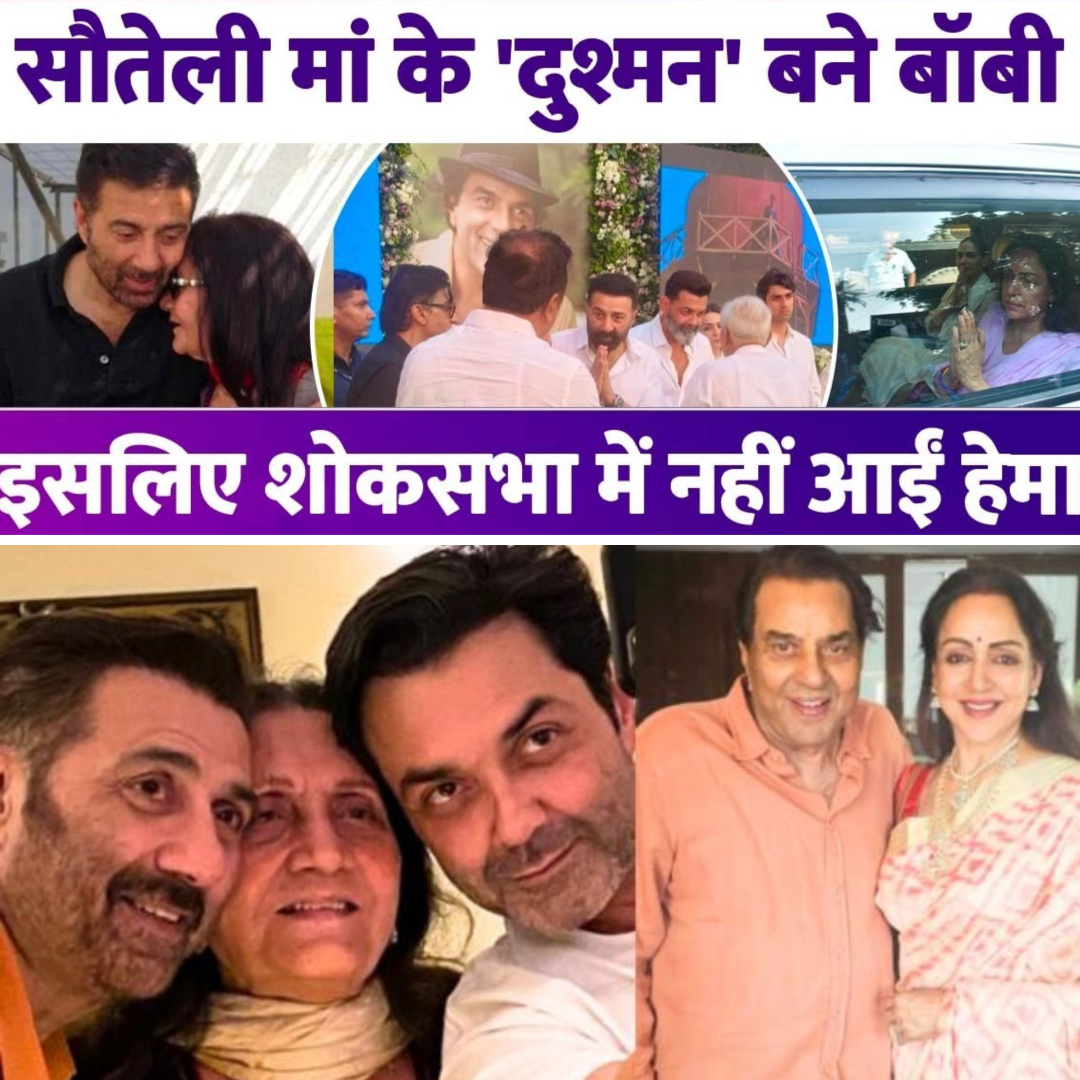
The dynamics within the Deol family were intricate. Her brother, Sunny, carried the legacy of Dharmendra’s cinematic charisma with the same intensity he applied to his personal life. There was love, yes, but also rivalry, pride, and a tension that often simmered beneath the surface. Ahana had witnessed arguments that never reached the media, discussions that were passionate, private, and deeply personal. She understood that her father’s presence lingered not only in photographs and awards but in the expectations he had left behind, a silent but ever-present influence that shaped every decision.
The whispers about the 450 crore fortune were not new, but they intensified after Dharmendra’s passing. The press speculated endlessly about who would inherit what, about the distribution of property, investments, and intellectual rights. Ahana, however, approached the matter with a careful strategy. Each meeting with financial advisors was deliberate, each decision meticulously weighed. She understood that the wealth was not only monetary but symbolic, representing decades of careful work, family legacy, and the stewardship of a name that carried immense cultural weight.
Despite the public curiosity, Ahana’s private life remained largely her own. She avoided ostentation, favoring a balance between modest elegance and the necessary visibility of a public figure. Her home was luxurious, yes, but every element—from the handpicked furnishings to the curated art—reflected taste, history, and personal significance rather than mere display. Each item told a story: a gift from her father, a memory of a film set, a family heirloom, or a symbol of achievement earned quietly and without fanfare.
Family dinners were a microcosm of the larger world Ahana navigated daily. Conversations ranged from the mundane to the profound, touching on everything from film industry developments to personal reflections on loss and legacy. Hema Malini encouraged openness, while Sunny and Bobby often interjected with humor, teasing, or occasional debate. Ahana listened more than she spoke, absorbing nuances, learning the subtleties of communication, and understanding how to assert herself without alienating others. She had inherited her father’s instinct for reading people, a skill sharpened by years of observation and the quiet confidence that came from knowing she could hold her own in any conversation.
The media’s fascination with Ahana’s life only added layers of complexity. Every public appearance was scrutinized, every photograph analyzed for hidden meaning. Journalists speculated about her relationships, her lifestyle, and her role within the family empire. Social media amplified every rumor, and yet Ahana remained unflustered. She had learned that attention was a tool, a challenge, and occasionally, a distraction. By controlling what was visible and preserving what was private, she maintained authority over her narrative, quietly demonstrating that power often lay in restraint.
One particular afternoon exemplified the duality of her world. Ahana hosted a charity event in Mumbai, bringing together actors, philanthropists, and cultural figures. Cameras clicked, and flashes illuminated the elegance of her presence, yet she moved with the calm assurance of someone accustomed to being watched. Conversations were purposeful, interactions meaningful. Beneath the surface, she was constantly assessing, calculating, ensuring that every gesture, every word, served both her mission and her image.
The private moments between mother and daughter, however, revealed a different Ahana. In the quiet of the early morning, she and Hema Malini would sit in the garden, tea in hand, discussing not the public perception but the emotional realities of their lives. Hema shared memories of Dharmendra, of the choices he had made, of the challenges they had faced as a family navigating fame, fortune, and love. Ahana listened, absorbing the lessons, reflecting on her own responsibilities, and often quietly mentoring herself in the art of patience, resilience, and strategic thinking.
Ahana’s connection to her father’s legacy was more than ceremonial. She frequently revisited his films, not as a fan, but as a scholar of his craft. Each performance, each scene, was a study in timing, emotion, and presence. She noted the subtleties in his expressions, the calculated pauses, the charisma that commanded attention without demanding it. These observations shaped her own demeanor, influencing how she carried herself, how she engaged with the world, and how she navigated the complex web of familial and public expectations.
Yet there were moments when the pressure of public curiosity collided with private reality. Rumors about relationships, inheritance disputes, or family tensions could flare without warning. Ahana had learned to meet speculation with silence, letting time, facts, and integrity answer for her. It was a strategy that required discipline and emotional control, and one that reinforced the lessons imparted by both her parents: that reputation was fragile, and that the most powerful actions were often invisible to the public eye.
Through it all, Ahana cultivated a network of confidants and advisors who respected her discretion and insight. Financial planners, legal experts, and trusted friends formed a protective circle, allowing her to navigate both the personal and public dimensions of her life with clarity. She understood that her decisions had consequences beyond the immediate, influencing not only family dynamics but also perceptions across the film industry and society at large.
As the evening settled over Mumbai, Ahana reflected on her journey—one marked by wealth, yes, but also by responsibility, intelligence, and grace. The legacy of Dharmendra and Hema Malini was not merely a gift; it was a charge. Each day presented choices that balanced visibility with privacy, tradition with innovation, and personal desire with familial duty. And in the quiet moments, when the cameras were gone and the city hummed beyond her walls, Ahana Deol understood the essence of her inheritance: not the fortune alone, but the ability to carry forward a story of resilience, dignity, and enduring love.
In these private reflections, she found strength. Strength to meet the public gaze with composure, to navigate family intricacies with wisdom, and to honor a father whose legacy was as much about heart as it was about fame. Her life, lived at the intersection of royalty and reality, was a testament to the delicate art of maintaining power, privacy, and presence in a world that demanded all three simultaneously.
The following morning, Ahana rose before dawn, the city still wrapped in a soft haze of early light. Her schedule was relentless—meetings with legal advisors, charity consultations, and the occasional press appearance—but she approached each with the same meticulous attention she had inherited from her parents. To outsiders, it might appear effortless, but each decision was weighed, calculated, and aligned with her overarching strategy: preserve her family’s legacy while asserting her own agency.
The Deol estate, sprawling yet intimate, was a sanctuary where every photograph, painting, and memento held meaning. Portraits of Dharmendra and Hema Malini lined the corridors, a constant reminder of the lineage she was tasked with carrying forward. Each time Ahana passed them, she allowed herself a private moment of reflection—an acknowledgment of the sacrifices, triumphs, and love that had preceded her. She often imagined the conversations that had shaped her parents’ lives, the choices made in silence, and the private challenges hidden from public view.
Yet, despite the grandeur, Ahana’s life was not devoid of scrutiny or challenge. The media’s relentless curiosity had only intensified in recent years, fueled by speculation about her father’s fortune, family dynamics, and her role in both. Every public appearance was dissected, every social media post analyzed for hidden meaning. The pressure could have been overwhelming, but Ahana approached it with a calm pragmatism, understanding that her best response was not confrontation but control. By carefully curating her visibility, she wielded influence without exposing vulnerability—a skill she had refined over years of observation and practice.
Ahana’s interactions with her brother Sunny were particularly nuanced. While there was deep familial love, their relationship carried layers of history, unspoken tensions, and differing approaches to public life. Sunny’s persona was bold, unfiltered, and often larger than life, while Ahana’s approach was quiet, deliberate, and strategic. Their conversations could be intense debates on family matters, the allocation of assets, or decisions related to the industry, yet beneath the surface always lay a foundation of mutual respect and shared history. She understood that power within a family was often as much about subtlety as it was about action.
Meanwhile, Ahana’s mother, Hema Malini, continued to serve as both guide and mentor. Their morning conversations in the sunlit garden, cups of steaming tea in hand, were sacred. Hema recounted stories of Dharmendra’s early career, the difficult choices he faced, and the resilience required to navigate fame. These moments were not just nostalgic—they were lessons in legacy, responsibility, and emotional intelligence. Ahana absorbed each story, not as a spectator, but as a student preparing to carry forward a narrative that extended beyond cinematic achievements.
One particularly revealing afternoon highlighted the balancing act Ahana had mastered. A high-profile charity gala brought together Bollywood elites, business magnates, and cultural leaders. While cameras clicked and reporters jostled for quotes, Ahana moved with an almost imperceptible authority. Conversations were deliberate, gestures controlled, and every interaction measured. Observers often commented on her poise, noting the ease with which she navigated complex social hierarchies. What they did not see, however, was the constant mental calculation—the awareness of potential outcomes, the assessment of trustworthiness, and the subtle signaling that allowed her to assert influence without overt confrontation.
Family strategy was not limited to public appearances. Ahana was deeply involved in the management of the Deol estate and investments. Each meeting with financial advisors was a study in precision, reflecting a blend of inherited instinct and learned acumen. The handling of Dharmendra’s legacy—both artistic and financial—required not only diligence but foresight. She recognized that every decision had ripple effects, not only within the family but across the broader cultural landscape, where the Deol name carried weight, history, and expectation.
Despite her strategic life, Ahana remained intensely private about her emotional world. Behind the polished appearances and carefully curated narrative lay a deep awareness of vulnerability, loss, and the quiet pressures of expectation. She frequently reflected on her father’s lessons, the unspoken wisdom he imparted, and the way he had taught her to reconcile strength with empathy. Those private reflections allowed her to maintain balance amid the scrutiny and speculation that accompanied her public life.
The relationship with her extended family, particularly with Bobby Deol, provided moments of both camaraderie and tension. Sibling interactions ranged from shared laughter and mutual support to debates over inheritance, public perception, and media narratives. Ahana navigated these interactions with the same strategic intelligence that guided her public engagements. She understood that familial harmony required diplomacy, insight, and occasional restraint—qualities she had honed through observation and lived experience.
As the sun set over Mumbai, Ahana often retreated to her private study—a room lined with books, photographs, and mementos that chronicled both her family’s history and her own intellectual pursuits. Here, she studied her father’s films, Hema’s dance choreography, and the intricate dynamics of cultural influence. These studies were not merely academic—they informed how she approached her public role, family relationships, and the stewardship of legacy.
The narrative of the Deol family, Ahana realized, was not just one of wealth and celebrity. It was a story of resilience, strategic thinking, and emotional intelligence passed down through generations. Each family member played a role, yet each story contained hidden depths, untold struggles, and moments of quiet heroism that often went unnoticed by the public. Ahana’s role, both as a custodian and as an individual, was to navigate these layers with insight, discretion, and respect for the past while shaping her own future.
Evenings at the estate often brought moments of reflection, as she walked through the gardens, observing the interplay of light and shadow, the same way she had learned to read people and situations. The lessons of her father’s cinematic legacy, her mother’s artistic discipline, and her own strategic awareness coalesced into a singular understanding: influence was most powerful when exercised with discretion, and true legacy was preserved not by spectacle, but by thoughtful stewardship, emotional intelligence, and careful decision-making.
Ahana’s life, therefore, was a balancing act of history, expectation, and personal agency. Every public appearance, family interaction, and private decision reflected a careful synthesis of inherited wisdom, personal insight, and strategic thinking. She understood that her father’s legacy was not merely a gift—it was a responsibility, one that required patience, diligence, and an unwavering sense of purpose.
By the time night fell over the Deol estate, Ahana Deol had completed another day of deliberate action, quietly steering her life, her family’s legacy, and her public image with skill and care. She understood the weight of expectation, the power of legacy, and the subtle dynamics of influence, and she carried them all with a composure that reflected both her parentage and her personal mastery. In the quiet, away from cameras and gossip, she reaffirmed a simple truth: the most enduring power often lies not in visibility, but in understanding, presence, and the thoughtful exercise of influence—a lesson she would carry forward, honoring her family while carving a path uniquely her own.