Baseer Ali Backs Tanya and Drops Shocking Bigg Boss 19 Finale Prediction
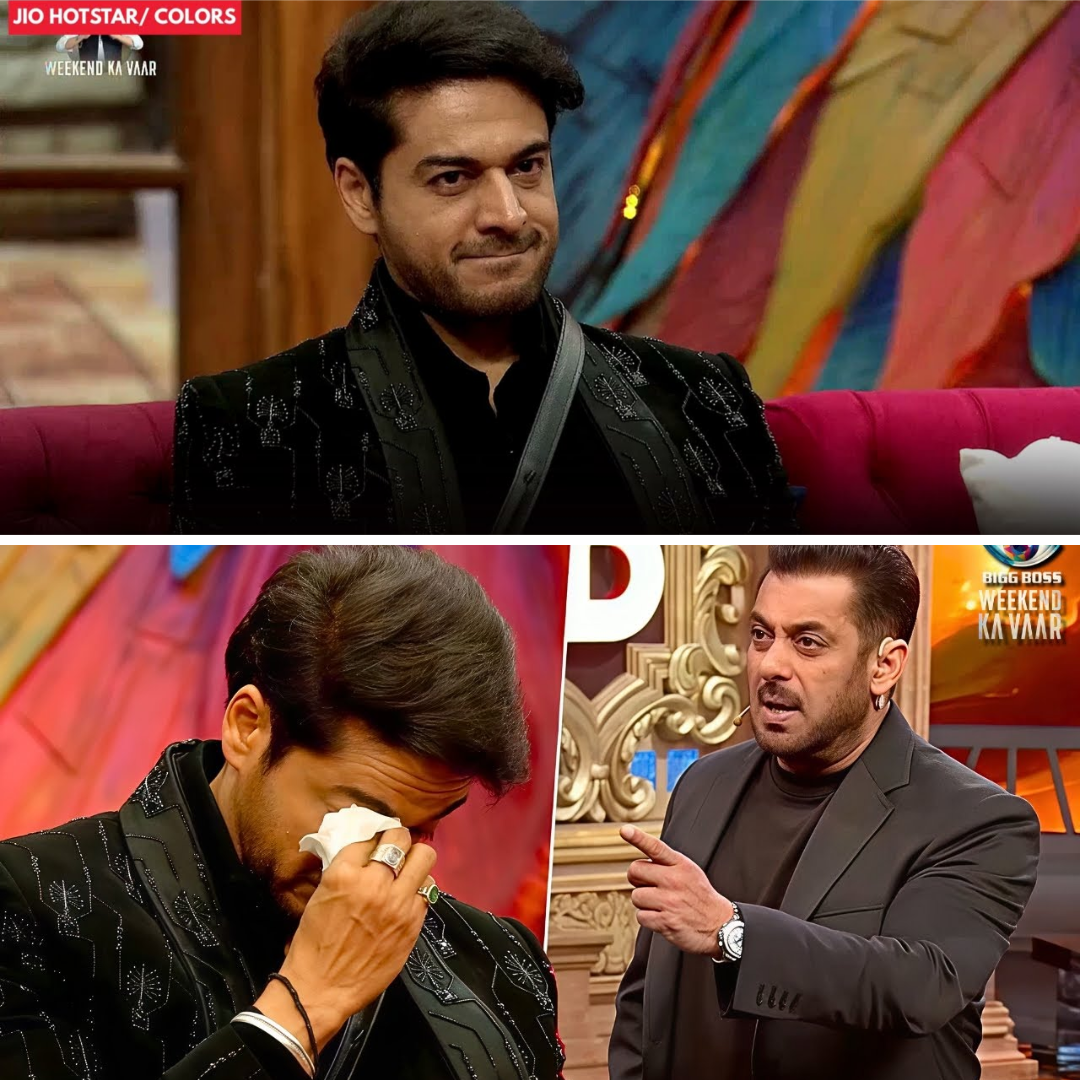
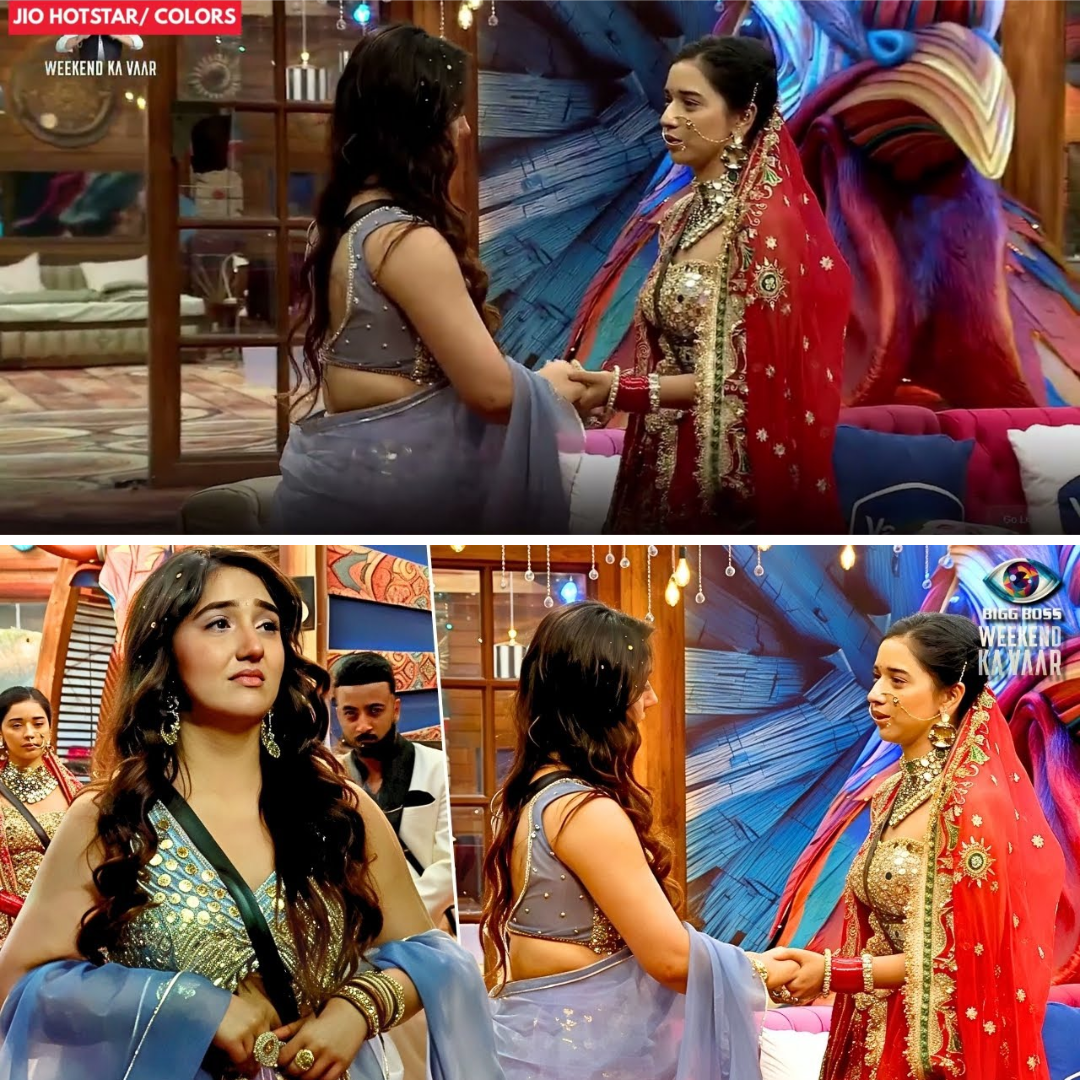
Episode 100 of Bigg Boss 19 began with the kind of tension that could be felt in every corner of the house. The air was thick with anticipation, rivalries, and the looming finale. At the center of this storm stood Tanya and Pranit, two housemates whose interactions had escalated into one of the season’s most talked-about conflicts. What could have been a simple clash of personalities turned into a high-stakes confrontation when Baseer Ali decisively stepped in, throwing his support behind Tanya.
Baseer’s entry into the situation was both strategic and emotionally resonant. The housemates had been circling around the tension for hours, their conversations carefully measured yet charged with underlying frustration. When he intervened, it was clear he understood the timing was crucial. His support was not just about aligning with Tanya—it was a calculated assertion of influence within the house. “Tanya, don’t let it get to you,” he said, his voice steady yet firm, signaling both reassurance and a subtle warning to Pranit. Viewers watching at home immediately recognized the significance of his move, noting how his presence amplified the drama while adding a layer of strategic complexity.
Tanya, visibly relieved yet emboldened, responded to Baseer’s support with gratitude that was evident in her posture and expression. For her, this was more than just an ally’s intervention—it was a signal that her gameplay and emotional presence in the house were being recognized. Baseer’s timing, combined with his calm assertiveness, changed the dynamics of the confrontation, momentarily shifting the balance of power. Pranit, meanwhile, appeared taken aback, forced to recalibrate his approach as he faced not just Tanya but also the influence of Baseer, whose reputation as a shrewd and confident player preceded him.
What made the moment even more captivating for fans was Baseer’s ability to combine humor, mischief, and strategy. As he supported Tanya, he teased his own potential entry into the finale, injecting suspense and excitement into an already charged atmosphere. “Wait and watch what’s coming,” he hinted with a sly smile, leaving both housemates and viewers speculating. The audience at home erupted on social media, immediately creating buzz about what his comment might mean. The tease was masterfully timed: it was playful, strategic, and perfectly aligned with the psychological undertone of the confrontation.
Beyond the immediate drama, Baseer also made a shocking claim about the eventual winner of Bigg Boss 19. While he did not reveal specifics, the statement was enough to set viewers’ imaginations alight. Was he confident in his prediction? Was it a bluff intended to provoke reactions inside the house? The ambiguity added a new layer of intrigue to the finale, demonstrating Baseer’s understanding of the power of suspense and perception in a reality TV environment. Social media reactions were instantaneous: fans debated, speculated, and even created memes around his cryptic comments, turning the moment into a viral talking point.
The confrontation itself was more than just a battle of personalities. It highlighted the delicate interplay of strategy, emotion, and perception that defines Bigg Boss 19. Tanya’s assertiveness, Pranit’s defensiveness, and Baseer’s intervention created a tableau in which every gesture, glance, and tone carried amplified significance. Viewers were drawn not only to the drama but also to the underlying psychological chess match, witnessing how alliances, loyalty, and timing influence outcomes in a confined and intensely observed environment.
Baseer’s support also carried subtle messaging about his own position in the house. By backing Tanya, he demonstrated loyalty while reinforcing his own influence. It was a delicate balance: too much intervention could create backlash, while too little would leave an opportunity for others to dominate the narrative. His awareness of this dynamic showcased his strategic acumen and contributed to his growing reputation as a housemate capable of managing both interpersonal relationships and competitive advantage.
For fans, the episode was a masterclass in tension and spectacle. Every word, expression, and gesture was analyzed, discussed, and shared across platforms. Baseer’s combination of confidence, humor, and strategic timing elevated the confrontation beyond a simple quarrel into a pivotal moment in the season’s narrative. Social media buzzed with reactions ranging from praise for his support of Tanya to heated debates about the implications of his winner prediction. The episode became a focal point for fan engagement, illustrating the power of personality and strategic visibility in shaping audience perception.
The episode also revealed the psychological complexity of the house. Housemates operate under constant surveillance, with emotions amplified by stress, competition, and confinement. In this environment, interventions like Baseer’s are not just acts of loyalty—they are strategic maneuvers that affect perception, influence alliances, and shape the narrative both inside the house and in the public sphere. His actions reminded viewers that in Bigg Boss 19, influence is wielded not only through tasks or games but also through well-timed social interactions and calculated emotional intelligence.
The confrontation between Tanya and Pranit, amplified by Baseer Ali’s timely support, left the Bigg Boss 19 house buzzing with tension and speculation. Even hours after the exchange, the energy lingered, influencing conversations, alliances, and the mood of the contestants. Baseer’s intervention had not only bolstered Tanya’s confidence but also subtly reshaped the hierarchy within the house, signaling his influence over both peers and the unfolding narrative.
In private discussions, housemates analyzed the confrontation with careful attention. Tanya, emboldened by Baseer’s presence, reflected on her position and the strategic implications of the conflict. “Having someone like Baseer on your side changes the dynamics completely,” she admitted, acknowledging the weight of his support. Other contestants, meanwhile, interpreted his involvement as a reminder of the delicate power balance in the house. Pranit, still processing the shift, began reassessing his own moves, wary of Baseer’s ability to influence outcomes and tilt alliances.
Baseer, for his part, maintained a careful balance between assertiveness and discretion. He engaged in private strategy discussions with allies, emphasizing the importance of timing, perception, and psychological impact. “Every move counts now,” he remarked to a fellow contestant during a quiet moment. “It’s not just about loyalty—it’s about being seen in the right way by everyone, including viewers.” His awareness of the interplay between social dynamics, strategic positioning, and public perception illustrated his understanding of the multi-layered game that defines Bigg Boss 19.
The psychological tension in the house was palpable. Housemates operated under constant observation, with every expression, gesture, and comment scrutinized for insight and leverage. Baseer’s public backing of Tanya introduced a variable that affected not only immediate interactions but also long-term strategy. Subtle shifts in trust, perception, and alliance loyalty became increasingly apparent, demonstrating how high-pressure environments magnify the consequences of each action. Even casual exchanges carried a weight that could influence gameplay, voting patterns, and audience engagement.
Audience reactions were swift and fervent. Social media erupted with praise for Baseer’s loyalty, speculation about his hinted finale entry, and debates surrounding his shocking winner prediction. Clips of the confrontation went viral, with fans creating memes, reaction videos, and discussion threads analyzing every nuance. The episode highlighted the symbiotic relationship between in-house drama and public perception, showing how strategic moves inside the house can ripple outward to influence viewer engagement and sentiment.
Meanwhile, Baseer continued to play a dual role—supportive ally and strategic provocateur. His teasing about the finale entry was both playful and deliberate, keeping housemates guessing about his intentions while maintaining audience intrigue. This careful balancing act demonstrated his understanding of timing and spectacle in a reality television context. By blending humor, confidence, and strategic ambiguity, he maintained control over the narrative while subtly reinforcing his influence within the house.
The winner prediction added an additional layer of suspense. Baseer’s cryptic comment about the eventual victor kept both contestants and viewers on edge. Within the house, it sparked subtle calculations as participants considered how his insight might reflect alliances, popularity, or hidden strategies. For fans at home, it was an invitation to debate, speculate, and analyze potential outcomes, intensifying engagement and anticipation. Social media feeds were flooded with reactions, predictions, and arguments, highlighting how a single statement from a well-positioned contestant can amplify drama and discussion beyond the confines of the house.
Strategically, Baseer’s actions exemplified the delicate interplay between influence and perception. His support of Tanya reinforced loyalty while his cryptic predictions maintained suspense, illustrating a sophisticated understanding of social dynamics. Housemates had to navigate the challenge of responding without revealing too much or inadvertently strengthening his position. Each word, glance, and micro-expression became part of a complex psychological game in which trust, perception, and strategic calculation intersected.
As the evening progressed, the house maintained a heightened state of alert. Conversations were carefully measured, alliances were subtly recalibrated, and the memory of the confrontation lingered in every interaction. Baseer’s presence acted as both anchor and disruptor—supporting Tanya, influencing Pranit, and keeping other housemates aware of the shifting power balance. His ability to combine emotional resonance with strategic insight exemplified why his moves were closely analyzed by both peers and viewers.
As night fell in the Bigg Boss 19 house, the earlier confrontation between Tanya and Pranit, amplified by Baseer Ali’s support, continued to reverberate through every corner. The charged atmosphere was palpable, with housemates cautiously navigating conversations and alliances, acutely aware that even minor words or gestures could have lasting consequences. Baseer’s intervention had not only shifted immediate dynamics but also set the tone for strategic recalibration in the final days of the season.
Farrhana, who had been observing the developments quietly, noted the shift in energy and the subtle power realignment. While Baseer’s support of Tanya strengthened her confidence, it also reminded the house of Baseer’s influence and the way he could shape perceptions without overtly dominating interactions. His ability to balance humor, strategy, and assertive loyalty kept him at the center of attention, with both housemates and viewers eagerly anticipating his next moves.
Pranit, now acutely aware of Baseer’s presence, recalculated his approach. He engaged in private discussions with other contestants, analyzing potential responses and seeking ways to mitigate the influence Baseer had introduced. The dynamic illustrated a fundamental truth of Bigg Boss 19: in the final stretch, psychological awareness, timing, and subtle manipulation are as crucial as physical tasks or challenges. Every action is amplified, and reputation becomes a tool as powerful as any strategy.
Baseer’s hints about his upcoming finale entry kept the suspense alive. Housemates speculated about his intentions, wondering whether it was a bluff or a genuine announcement. The ambiguity served multiple purposes: it distracted competitors, maintained audience engagement, and reinforced his image as a masterful strategist who could control the narrative while remaining playful. This teasing tactic underscored the sophistication of Baseer’s gameplay, demonstrating how reality TV personalities can leverage perception and timing to their advantage.
Meanwhile, the winner prediction he shared continued to generate discussion. Fans at home debated endlessly about who Baseer might be hinting at, dissecting his tone, gestures, and timing for clues. Social media platforms exploded with theories, memes, and speculation, creating a parallel narrative that extended beyond the house itself. This interaction between contestant behavior and audience interpretation showcased how Bigg Boss 19 thrives not just on in-house drama but on the symbiotic engagement between participants and viewers.
The house, aware of the public attention, became a complex web of strategy, emotion, and perception. Baseer’s support of Tanya created both reassurance and tension, subtly influencing alliances. Some contestants aligned closer to him, recognizing his strategic insight, while others approached cautiously, wary of how his influence might affect voting outcomes and finale positioning. Each interaction, from casual conversation to task participation, was now viewed through the lens of the earlier confrontation, amplifying stakes and adding layers of psychological complexity.
In group settings, Baseer maintained a careful balance. He supported Tanya where appropriate, injected humor to lighten the mood, and shared insights about strategy and perception without alienating other contestants. This careful calibration allowed him to remain influential while avoiding overt conflict that could backfire. It highlighted his understanding of social nuance and the interplay between alliance-building, audience perception, and gameplay strategy.
The climax of the episode arrived during a scheduled discussion session, where housemates reflected on alliances, tensions, and upcoming finale strategies. Baseer’s contributions were measured yet impactful, offering both reassurance to Tanya and subtle strategic observations to others. His ability to influence without dominating the conversation reinforced his central role in shaping the house dynamics at a critical juncture.
Audience engagement mirrored the intensity inside the house. Fans dissected every expression, word, and gesture, debating the implications of Baseer’s support, his finale tease, and his winner prediction. The episode generated trending topics across social media, demonstrating how individual contestant actions can ripple outward to shape viewer perception and discussion. Memes, short clips, and analyses proliferated, creating a sense of communal anticipation and investment in the final outcomes.
By the end of Part 3, the narrative threads were firmly established. Tanya had gained a pivotal ally in Baseer, Pranit had to navigate recalibrated power dynamics, and Baseer had successfully positioned himself as both a strategic influencer and an audience favorite. His playful yet calculated hints about the finale and the winner prediction created suspense that extended beyond the house, keeping viewers engaged and invested.
Episode 100 of Bigg Boss 19 illustrated the intricate balance between strategy, loyalty, and perception. Baseer Ali’s actions—supporting Tanya, teasing the finale, and making a shocking claim about the winner—demonstrated the psychological sophistication required to navigate the final stages of the competition. Every interaction carried weight, every word had consequence, and every gesture influenced both housemates and public perception. The episode reinforced why Bigg Boss remains compelling: it is a game of strategy, emotion, and human behavior magnified under the lens of constant observation.
As the house settled into the quiet anticipation of the finale, viewers were left with a sense of suspense, excitement, and speculation. Baseer Ali had not only shaped the in-house narrative but had also influenced audience perception, creating a dual storyline that intertwined gameplay and public engagement. His combination of loyalty, strategy, and playful suspense exemplified how a single contestant can drive drama, engagement, and anticipation in the closing chapters of Bigg Boss 19.