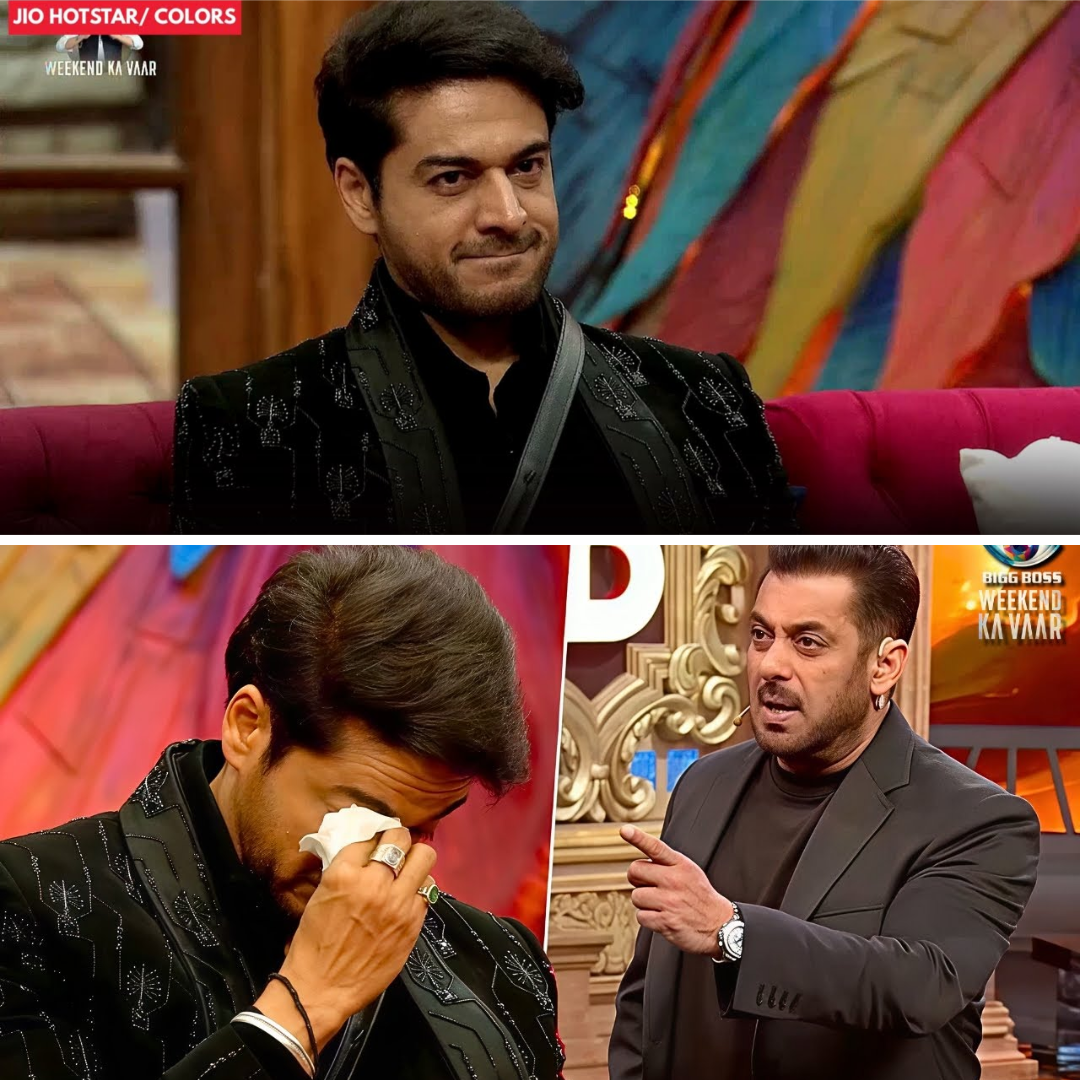
Bigg Boss 19 Weekend Ka Vaar Promo: Double Eviction Shocks Housemates in Episode 98
Episode 98 of Bigg Boss 19 promised chaos from the very first moment. The house was buzzing with whispers, tension, and a sense of anticipation that no one could quite put into words. The day was designated as Weekend Ka Vaar, a special segment known for intense confrontations, shocking revelations, and the authority of Salman Khan looming over every decision. But this weekend had a twist that would leave everyone in the house, and millions of viewers, on the edge of their seats: a double eviction.
As the contestants went about their morning routines, they were acutely aware that something was different. Subtle signs—the unusual camera angles, the sudden silence during interactions, and the earlier-than-usual announcement—hinted at the drama that was about to unfold. Ashnoor, still processing the emotional aftermath of her earlier eviction, had already left a void in the house, making room for new tensions, shifting alliances, and heightened stakes. Everyone knew that two more contestants would be shown the door, and the thought alone set nerves on edge.
Salman Khan’s presence, projected onto the screen in his trademark style, brought both fear and respect into the room. He opened the segment with a firm yet empathetic tone, immediately commanding attention. “This Weekend Ka Vaar will change the dynamics of the house,” he announced, his words hanging heavily in the air. The contestants, seated with tense expressions, tried to read between the lines, speculating which relationships and strategies would be disrupted first. The double eviction meant that no one was safe, and every move, word, and glance could carry critical weight.
The first half of the segment focused on individual assessments. Contestants were called one by one to reflect on their performance, their interactions with housemates, and their contributions to the dynamics of the house. The tension was palpable, as even minor slip-ups were scrutinized and interpreted with exaggerated weight. Those who had alliances felt the pressure of representing their group, while those on the periphery feared being overlooked or misjudged. Every expression, hesitation, and tone was amplified under the watchful eye of Bigg Boss, adding layers of emotional complexity to the already high-stakes situation.
The drama escalated quickly when the first contestant was announced for eviction. The moment was electric. Gasps, whispers, and stunned faces filled the room. Emotions ran high—shock, relief, sadness, and anxiety all mingled together. The camera lingered on close-ups, capturing the subtle shift in body language, the slight tremble in hands, and the fleeting tears that revealed vulnerability and human emotion beyond the competitive façade. The first eviction was not just a procedural event; it became a mirror reflecting the fragility, resilience, and complexity of each contestant’s journey.
The second half of the double eviction intensified the tension exponentially. Contestants who had thought they were safe were suddenly reconsidering every interaction, every alliance, every gesture. Conversations shifted from casual chit-chat to strategic whispers, plans, and preemptive maneuvers. Some housemates leaned into emotional appeals, attempting to sway public perception and the dynamics within the house, while others relied on calculated strategies, carefully choosing their words and expressions to maintain or strengthen their standing.
Viewer engagement skyrocketed. Fans debated every angle, analyzing not only who might be evicted but also why. Social media platforms exploded with discussions, predictions, and fan reactions. Some defended contestants emotionally, while others dissected gameplay tactics. The double eviction amplified the stakes, not just for housemates but for the audience invested in every subtle twist and turn. The event became a focal point for analyzing both human behavior under pressure and the unpredictable nature of Bigg Boss dynamics.
Amidst the chaos, emotional breakdowns were inevitable. Contestants who had appeared strong and composed were suddenly vulnerable, revealing the human side behind the strategic masks. Tears, whispered confessions, and moments of raw honesty punctuated the proceedings, showing the psychological strain of living under constant observation, facing judgment from peers, and confronting the looming uncertainty of eviction. This blend of strategy and emotion made the double eviction not just an event but an emotional spectacle, reminding viewers why Weekend Ka Vaar remains one of the most anticipated segments of Bigg Boss.
As Part 1 concluded, the house was left in a state of temporary calm, though the undercurrent of tension remained. Contestants began reflecting privately on the outcomes, recalibrating their strategies, and considering how to navigate the next series of tasks and social interactions. The first half of the double eviction had already set the stage for an emotionally charged and strategically complex evening, with viewers eagerly anticipating the unfolding drama.
The announcement of the double eviction in Bigg Boss 19 sent immediate shockwaves through the house. Contestants who had felt secure suddenly found themselves questioning every move they had made in the past week. Whispered conversations erupted into full-blown debates, as housemates scrambled to analyze the implications of having two eliminations in a single episode. Alliances that had seemed unshakeable moments ago were now under scrutiny, and every relationship was examined through a new lens of survival.
Some housemates reacted with panic. They fretted over past interactions, worried that minor disagreements or unguarded moments might now cost them their place in the house. “We can’t assume anything anymore,” one contestant whispered anxiously to a trusted ally, her eyes darting around the room. “The double eviction changes everything. Every word, every glance… it could be used against us.” The psychological strain was visible, a raw reflection of how the game magnifies human insecurities under pressure.
Meanwhile, others attempted to stay composed, using the situation strategically. They discussed who might be nominated, how voting patterns might shift, and which alliances could serve them best in the coming hours. Conversations often veered between emotional expression and tactical planning, revealing the duality of the Bigg Boss environment: every decision is both a social maneuver and a psychological challenge. These calculated moments contrasted sharply with the emotional reactions of their peers, highlighting the complexity of navigating the house during such a high-stakes situation.
The first confrontation erupted during breakfast. A housemate questioned another’s loyalty, referencing past disagreements and minor conflicts that had previously seemed trivial. Voices were raised, accusations flew, and subtle gestures of contempt were magnified by the constant scrutiny of cameras. “You’ve been siding with the wrong people all week,” one contestant snapped, their frustration boiling over. The other shot back, defensive yet strategic, defending their choices while attempting to undermine their critic’s position. The scene quickly escalated into a tense standoff, punctuated by pointed glares and whispered threats that would set the tone for the evening.
The emotional weight of the double eviction also manifested in quieter, more introspective moments. Contestants retreated to corners of the house, reflecting on the fragility of their position. Some cried in solitude, processing fear, regret, or the realization that even strong gameplay does not guarantee safety. Others journaled their thoughts or sought solace in whispered conversations with trusted allies, emphasizing the human side of a competition often reduced to strategy and spectacle. The contrast between visible confrontations and private vulnerability illustrated the full spectrum of Bigg Boss emotions during high-pressure events.
As the eviction hour approached, the housemates were called one by one to the confession room. Here, their internal thoughts were recorded, offering viewers insight into personal fears, doubts, and calculations. One contestant admitted that the double eviction had completely altered their approach to tasks and alliances, realizing that a single misstep could be catastrophic. Another expressed frustration with the unpredictability of the game, while simultaneously acknowledging the thrill and challenge it provided. These confessions served both as narrative tools for the show and as intimate glimpses into the psychological landscape of the contestants.
The first eviction of the night was announced with all the dramatic tension Bigg Boss is known for. A stunned silence fell over the house, followed by murmurs of shock and disbelief. Housemates processed the event differently—some visibly relieved, others inwardly panicking about the next elimination. The cameras captured every flicker of emotion: trembling hands, furrowed brows, and the subtle shifting of feet, all signaling the internal turmoil provoked by the sudden removal of a peer. The eviction not only changed the physical composition of the house but also disrupted the social and emotional equilibrium, forcing contestants to adapt immediately.
The second eviction intensified the atmosphere even further. Those who had survived the first elimination now faced heightened anxiety, realizing that safety was far from guaranteed. Alliances were tested in real time, as contestants subtly negotiated trust, reaffirmed loyalties, or subtly undermined perceived threats. Emotional confrontations arose spontaneously, fueled by fear and uncertainty. Arguments about past grievances, perceived betrayals, and strategic maneuvering erupted in various corners of the house, creating a charged environment where the smallest comment could ignite conflict.
Viewer engagement during this double eviction reached a fever pitch. Social media platforms exploded with speculation, fan theories, and emotional reactions. Fans debated who deserved to stay, who was strategically outmaneuvered, and which alliances were likely to shift in the aftermath. Clips of arguments, emotional breakdowns, and strategic whispers were dissected, shared, and commented upon, creating a narrative outside the house that mirrored and amplified the tension within. The dual engagement of contestants and viewers highlighted the unique interplay between televised competition and audience participation.
Amid the tension, moments of genuine emotion emerged. Some housemates expressed regret over past conflicts, acknowledging that the pressure of the game had led to harsh words or misjudgments. Others showed empathy, consoling those affected by the evictions and reaffirming bonds that might strengthen in the weeks to come. These moments of connection contrasted with the strategic maneuvers and confrontations, emphasizing the delicate balance of human emotion and competitive instinct that defines Bigg Boss.
As Part 2 concluded, the house was in a state of emotional and strategic recalibration. The immediate shock of the double eviction had passed, but the psychological and social impacts lingered. Contestants were now acutely aware that the remaining episodes would demand both emotional resilience and tactical precision. Trust had been tested, alliances reexamined, and the balance of power shifted. The stage was set for a new series of challenges, confrontations, and drama, as the housemates adjusted to the altered dynamics brought about by the double eviction.
https://youtu.be/ZFltS4kpE24
As the night deepened over the Bigg Boss 19 house, the atmosphere remained charged with a mixture of relief, anxiety, and anticipation. The double eviction had left an undeniable imprint on the contestants’ psyche. Two players were gone, reshaping the dynamics of the house, altering alliances, and sending a ripple of uncertainty through every corner. Those who survived the eliminations now faced the immediate challenge of recalibrating their strategies, managing emotional vulnerabilities, and preparing for the inevitable twists that Bigg Boss is known to deliver.
The immediate aftermath of the double eviction revealed stark contrasts in reactions. Some housemates displayed overt relief, quietly acknowledging that perceived threats had been removed, making tasks and alliances easier to navigate. Others grappled with the emotional weight of loss, both for the evicted contestants and for the shifting stability of the group. Conversations shifted from strategy to reflection, as contestants considered the personal and social implications of the evening’s events. The house became a delicate balancing act between calculated moves and genuine emotion.
One of the most compelling aspects of the aftermath was the way alliances were tested and reshaped. Close allies of the evicted contestants reassessed their positions, questioning which loyalties remained viable and which needed to be reinforced. Strategic discussions sprang up in quiet corners of the house, often accompanied by subtle glances and coded language, signaling the recalibration of power. Some contestants sought to strengthen their bonds with remaining allies, while others explored new connections, anticipating shifts in influence and dominance. Every interaction carried heightened significance, as the lessons of the double eviction reinforced the fragility of status in the house.
Emotional moments continued to unfold, particularly among contestants who had formed bonds with the evicted housemates. Tears, whispered memories, and quiet reflections highlighted the human side of the Bigg Boss experience. These expressions of vulnerability contrasted sharply with the strategic maneuvering happening elsewhere, underscoring the duality of the environment: a place where emotional resilience and tactical acumen are constantly tested. Viewers were offered intimate glimpses into the psychological landscape of the house, where every eviction is not merely a game mechanic but a catalyst for emotional and social recalibration.
Meanwhile, subtle tensions emerged among contestants who had been indirectly affected by the evictions. The absence of two strong players shifted the power balance, prompting reevaluations of both threat levels and potential partnerships. Whispered conversations, strategic alliances, and even minor conflicts reflected the recalibration process. Contestants who had previously remained neutral began positioning themselves, aware that opportunities now existed to rise in influence. The psychological intensity of these shifts was heightened by the awareness that every action could be recorded, scrutinized, and potentially leveraged in future gameplay.
Viewer engagement continued to parallel the house dynamics. Social media exploded with discussions about the evictions, speculations on strategy, and debates about fairness. Fans analyzed every glance, every word, and every interaction, often predicting future confrontations and alliances. The dual narrative—inside the house and outside among the audience—created a continuous feedback loop, where contestant behavior influenced viewer perception, and fan reactions, in turn, informed the ongoing drama. The double eviction, therefore, functioned not just as a structural event but as a narrative pivot affecting both participants and viewers alike.
As the evening progressed, contestants began reflecting on personal growth, mistakes, and strategies for survival. Those who had survived recognized that resilience, adaptability, and emotional intelligence were as critical as physical performance or task-related skill. Discussions in private corners often centered on learning from past conflicts, observing behavioral patterns, and anticipating Bigg Boss twists. The double eviction had instilled a heightened sense of urgency, compelling contestants to balance the immediate need for tactical awareness with long-term gameplay considerations.
Tanya, for example, emerged as a particularly observant player. She quietly analyzed the shifting alliances and recalibrated her strategy to strengthen her position in the house. Her approach combined careful social navigation with calculated gameplay, allowing her to anticipate potential threats while solidifying her support network. This kind of adaptability demonstrated the importance of reading both emotional cues and strategic signals, a skill critical for surviving in the unpredictable environment of Bigg Boss.
Meanwhile, the remaining contestants were acutely aware that the next tasks would be influenced by the psychological aftermath of the double eviction. Task performance, interpersonal negotiations, and alliance management were now intertwined with the emotional residue of loss and uncertainty. The house became a crucible where personal resilience and strategic foresight were tested simultaneously. Every decision, conversation, and gesture had the potential to affect not only immediate outcomes but also long-term positioning in the competition.
The episode concluded with a sense of unresolved tension, leaving viewers anticipating the next developments. The double eviction had set the stage for new rivalries, deeper emotional confrontations, and strategic recalibrations. Contestants would need to navigate the delicate balance between emotional expression and tactical maneuvering, as each action could carry amplified consequences. For viewers, Episode 98 Weekend Ka Vaar delivered both the shock and suspense Bigg Boss is renowned for, blending emotional storytelling with competitive intrigue.
Ultimately, the double eviction underscored the central theme of Bigg Boss: survival requires a combination of psychological resilience, emotional intelligence, and strategic calculation. The events of Episode 98 demonstrated how rapidly the house dynamics can shift, how alliances can be tested, and how personal and collective strategies intertwine to shape the trajectory of the game. For the contestants, the night was a lesson in adaptability and perception. For viewers, it was an emotionally charged spectacle, rich with suspense, drama, and the unpredictability that defines Bigg Boss.
As the lights dimmed and the house settled into temporary calm, every contestant knew that the game had irrevocably changed. The echoes of the double eviction lingered in conversations, in expressions, and in unspoken tension. New rivalries would emerge, new alliances would form, and the emotional landscape of the house would continue to evolve. Episode 98 was not just a turning point—it was a reminder that in Bigg Boss, every week is a crucible of emotion, strategy, and human complexity, and that survival demands both heart and mind in equal measure.